 November 11, 2026
Why I Think Reading Should Feel Like an Experience, Not a Task
Somewhere along the way, reading seems to have become another activity people are encouraged to measure. How many books have you finished?…

Choosing the right book title can be surprisingly difficult. A title needs to fit the story, appeal to potential readers and remain recognizable when it appears on a cover, website or advertisement. Some authors discover the right name almost immediately, while others spend considerable time comparing possibilities before finding something that feels appropriate. A title may contain only a few words, but those words can become an important part of how readers recognize the book.
When an author finally finds a title that feels right, protecting it can seem like the obvious next step. After spending months or years writing a manuscript, nobody wants to discover another book using a confusingly similar name or visual identity. However, there is an important legal distinction between protecting the actual writing and protecting the words used to identify it. Copyright and trademark law serve different purposes, and treating them as interchangeable can create misunderstandings.
Under United States law, the short answer to whether an author can copyright a book title is no. That does not mean a title or series name can never receive legal protection. Depending on how a name is used, trademark law or other legal principles may become relevant. Personally, I think authors should understand these differences before building an entire publishing identity around a particular name.
Copyright generally protects original creative expression. For an author, that includes the original text of a novel, its chapters and other qualifying written material. Under United States law, copyright protection generally begins automatically when an original work is created and fixed in a tangible form, such as a manuscript saved on a computer. The author does not need to publish the book or complete a registration before copyright protection can arise, although registration provides important additional legal benefits in certain circumstances.
However, copyright does not protect every element associated with a book. The U.S. Copyright Office specifically excludes names, titles, slogans and short phrases from copyright protection. That means registering copyright in a novel does not give the author an exclusive copyright over the words printed as its title. Even a title that feels highly original or creative does not automatically qualify for copyright protection simply because nobody else appears to have used it before.
The U.S. Copyright Office’s explanation of copyright protection makes this distinction clear. Copyright can protect the original expression contained within a literary work, but it does not grant exclusive ownership over individual words or short combinations of words used to identify that work.
For me, this is an important difference because the title and the manuscript serve separate purposes. The manuscript contains the creative expression, while the title helps readers identify and remember it. Both can be commercially valuable, but they are not necessarily protected by the same legal rules.
One consequence of this distinction is that two books can sometimes use the same title without that fact alone establishing copyright infringement. If two authors independently create different novels and happen to choose identical names, the shared title does not automatically mean either author has copied the other’s protected writing.
I think this surprises people because titles can feel closely connected to the work they represent. An author may spend years developing a manuscript and become strongly attached to its name. Discovering another book with that title can therefore feel like someone has taken part of the creative identity, even when the underlying stories are completely different.
However, copyright infringement generally concerns unauthorized use of protected expression rather than the mere repetition of an unprotected title. Other legal questions may still arise if the presentation creates confusion, involves misleading commercial conduct or conflicts with applicable trademark rights. The absence of copyright protection for a title does not mean every commercial use of that title is automatically permissible.
This is why I think authors should avoid treating copyright as a universal form of brand protection. Copyright has an important purpose, but it does not provide exclusive rights to every name, symbol or commercial identity associated with a book. Understanding where one form of protection ends helps explain why other legal considerations may become relevant.
Trademark law focuses on identifying the commercial source of particular goods or services. A trademark can help customers recognize that products come from a particular business or publishing source, while also providing legal protection against certain confusing uses by others. Unlike copyright, which concerns qualifying creative expression, trademark protection is connected to how a name, logo or other identifier functions in commerce.
For authors, this distinction becomes interesting when a title develops recognition beyond one individual book. A reader may begin associating a particular name with a continuing collection of novels, a publishing brand or other related products. In those circumstances, the name may function as more than a description of one creative work.
However, trademark protection is not automatic simply because an author likes a title or intends to use it commercially. The name must satisfy the relevant legal requirements, including questions of distinctiveness, use and potential conflicts with existing rights. The rules also depend on the goods or services involved and the country where protection is sought.
Personally, I think it is useful to separate the creative process of choosing a title from the commercial process of developing a recognizable brand. A memorable title can help readers discover a story, but trademark law becomes relevant when a name functions as an identifier of commercial origin rather than merely identifying one particular work.
One of the most important distinctions under United States trademark practice concerns the title of a single creative work compared with the name of a series. The United States Patent and Trademark Office generally refuses federal trademark registration when a proposed mark is used only as the title of one creative work. That rule can apply even when the work is commercially successful or the title is recognizable to readers.
A series title, however, may qualify for trademark registration when it functions as a source identifier and satisfies the applicable requirements. The distinction is that readers may begin recognizing the name as identifying a continuing collection of creative works rather than simply the title of one particular novel.
The USPTO’s guidance on titles of single creative works explains this distinction and the importance of demonstrating that a proposed mark identifies a series. It also makes clear that releasing the same book in different formats or translations does not, by itself, necessarily create a series for this purpose.
I find this particularly relevant for authors planning several connected books. A standalone novel and a continuing series may have very different long-term branding possibilities. However, merely planning additional books does not establish the actual use required for trademark registration. The name must function appropriately in commerce, and the evidence needs to support the claimed use.
For me, the important lesson is that authors should distinguish between naming an individual story and developing a publishing identity intended to connect several works.
A series name can become one of the most recognizable elements of a publishing project. Readers may remember the fictional world or collection before they remember every individual book title. When several releases share a consistent identity, the series name can help people recognize new additions and understand that the books belong together.
I think this becomes especially valuable when a fictional universe expands. The first novel might introduce the setting and characters, while later books continue developing the world. A consistent series name connects those releases without requiring each cover or description to explain the relationship from the beginning.
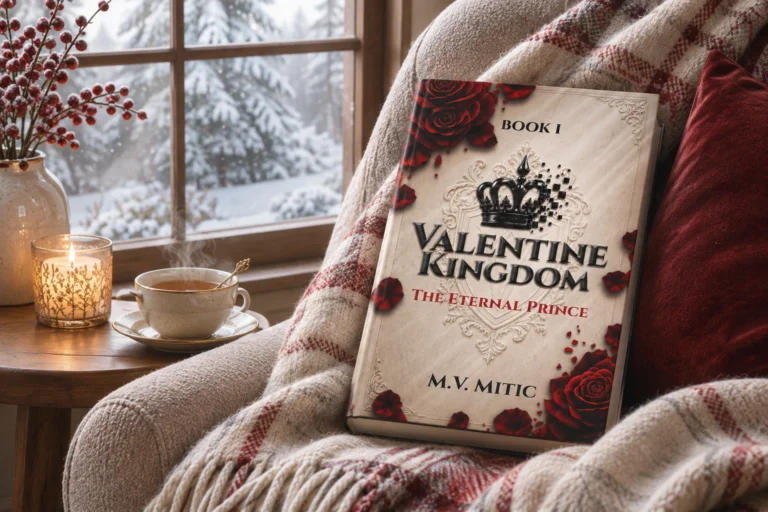
For my own work, The Eternal Prince is the first book, while Valentine Kingdom represents the larger series and fictional world. I prefer maintaining that distinction because it allows the individual book title and the broader publishing identity to serve different purposes. Future releases can have their own titles while remaining recognizable as part of Valentine Kingdom.
That does not mean a series name automatically receives trademark protection once a second book is published. The name still needs to meet the relevant legal standards, and existing rights must be considered. However, developing a consistent series identity creates a different commercial situation from using a title solely to identify one standalone novel.
For me, that is one reason to consider naming decisions early. The name chosen for a fictional world may eventually become more recognizable than any individual title within it.
I prefer choosing important names with the future in mind because changing an established publishing identity can create considerable work. A title may initially appear only on one manuscript and book cover, but over time it can become connected to websites, advertisements, social media accounts, newsletters and several editions.
If the name changes after readers have already become familiar with it, those materials may need to be updated. Book covers and descriptions could require revisions, website pages and URLs may need adjustments, and promotional materials might need replacing. The author may also need to explain the relationship between the old name and the new one so existing readers can still recognize the books.
The consequences can become more substantial when several books already belong to the same series. A name change may affect individual product listings, metadata and the way readers search for the collection. Even when the change is legally possible, the practical work involved can be inconvenient.
That is why I prefer investigating important naming decisions before the identity becomes widely established. I do not think every new author needs to invest heavily in legal registrations before completing a manuscript, but sensible research can help prevent avoidable confusion.
For me, choosing carefully is not about assuming the series will become enormous. It is about avoiding unnecessary problems if the publishing project eventually grows.
Before committing to a book or series title, I think it makes sense to investigate whether similar names are already being used. An ordinary internet search can reveal books, websites and businesses that might create confusion. Searching through Google and Bing can provide a useful starting point because those search engines may display existing titles, author pages and related commercial activity.
I would also examine relevant book catalogues and retailer listings. A title that seems unusual in a general search may already be used by another author within the same genre. That does not automatically make the title legally unavailable, but it can create practical problems when readers try to distinguish the books.
For example, if two fantasy novels have identical titles and similar cover designs, readers might have difficulty identifying the correct work. Even without a direct legal conflict, that confusion may make marketing and discovery more complicated. A distinctive title can therefore be valuable for practical reasons independently of whether it qualifies for trademark protection.
I prefer looking at the complete presentation rather than searching only for exact word matches. Similar names, spelling variations and existing publishing brands may all deserve attention. The objective is to understand what already exists before committing to a title that could become central to the entire series.
Although Google and Bing are useful starting points, they cannot provide a complete picture of existing trademark rights. Search engines may reveal businesses and books using a particular name, but trademark records provide another source of information about registered and pending marks.
In the United States, authors can begin researching federal records through the USPTO Trademark Search. The database can help identify existing applications and registrations that may be relevant to a proposed publishing name. However, an exact-match search is not necessarily sufficient because confusingly similar marks can create issues even when the wording differs.
I also think it is important to understand that finding no registered mark does not automatically establish that a name is legally available. Certain trademark rights can arise through qualifying commercial use, and the relevance of an existing mark depends on several factors, including the goods or services involved.
International publishing introduces additional considerations because trademark protection is generally territorial. A name registered in one country does not automatically provide identical protection everywhere, and different jurisdictions may apply different requirements.
For me, this research is most important when a name is intended to become a long-term commercial identity. An author does not necessarily need to register every individual title, but building a recognizable series around a name without investigating existing uses can create avoidable risks.
Another misunderstanding worth addressing is the idea that registering copyright in a novel somehow registers the title as a separately protected name. Copyright registration and trademark registration serve different legal purposes, and completing one does not automatically accomplish the other.
When an author registers a qualifying literary work with the U.S. Copyright Office, the registration concerns the copyrightable material in the work. The title may appear in the registration record because it identifies the manuscript, but that does not grant an exclusive copyright over the title itself.
The distinction matters because authors sometimes assume that receiving a copyright registration certificate establishes ownership of every creative and commercial element associated with the book. In reality, certain elements may require different forms of protection, while others may not qualify for exclusive rights at all.
For me, the practical approach is to understand what each registration actually accomplishes. Copyright can protect original written expression, while trademark law may protect a qualifying commercial identifier. Neither should be treated as a substitute for the other.
I think authors can make better decisions when they understand those boundaries rather than spending money on registrations based on assumptions about what the resulting protection covers.
A book cover introduces another distinction because it can contain original illustrations, typography, photographs and graphic elements in addition to the title. Although the words of the title are generally not protected by copyright, sufficiently original artwork used on the cover may qualify for copyright protection.
This means authors should not assume that the absence of copyright protection for a title makes the entire cover freely available for copying. A particular illustration or creative composition may involve protected expression even when the individual words printed over it are not copyrightable.
Ownership can also depend on who created the artwork. If an author commissions a freelance designer, paying for the cover does not necessarily transfer every copyright interest in the design. Licenses, assignments and third-party image permissions can influence how the artwork may be used.
For a continuing series, I prefer treating the cover, title and broader branding as connected creative decisions while understanding that their legal treatment may differ. A recurring symbol might contribute to the series identity, but the rights associated with its artwork are not necessarily identical to the trademark questions surrounding its commercial use.
For me, clear ownership and licensing arrangements are especially useful when covers may eventually be adapted for audiobooks, translations or collector editions.
A title can become more than something printed on a cover when the author develops an entire website around it. Domain names, social media accounts and promotional materials may all use the same words, helping readers recognize the project across different platforms.
I think this makes naming decisions more significant for an author planning direct publishing. Someone who discovers a book through a retailer may later search for its official website, while another visitor may encounter an article or social post before learning about the story. A consistent name can help connect those experiences.
However, registering a domain does not automatically establish exclusive trademark rights to the words it contains. Domain ownership provides control over that particular internet address under the applicable registration arrangement, not universal legal ownership of the name.
I prefer considering domain availability alongside existing books, trademarks and wider commercial use. A name that works well on a cover but creates confusion online may be less practical than a similarly suitable alternative with a clearer identity.
For me, the objective is to choose names that support the project over time. The book title should fit the story, while the broader series identity should remain recognizable as new books and formats become available.
I think the best time to consider long-term naming questions is before a project has accumulated several years of public material. An author does not need to know every future release in advance, but it helps to understand whether a name is intended for one novel or a continuing series.
If the project is a standalone book, the author may focus primarily on choosing a distinctive title that communicates the story and avoids unnecessary confusion. If the project is intended to contain several connected novels, the series name deserves additional consideration because it may eventually become the shared identity across many releases.
This is especially relevant when thinking about different formats. Audiobooks, printed editions and translations may all use the same series identity, even though they present the individual stories differently. A recognizable name can help maintain continuity as the catalogue expands.
I also prefer separating the creative value of the name from assumptions about its commercial success. A title should first suit the work. Potential trademark protection may become relevant when the name functions as an identifiable commercial brand, but that possibility should not replace the creative judgment involved in choosing it.
For me, the strongest approach is to create a title that fits the story and a broader identity that can support the publishing plans without introducing unnecessary complications.
Ultimately, choosing a book title involves both creative and practical considerations. The title should represent the story, attract the right readers and remain recognizable when it appears across covers, websites and promotional materials. However, authors should understand that finding an original-sounding title does not automatically provide exclusive legal ownership of those words.
Under United States law, copyright generally protects original expression within the manuscript rather than the title itself. Trademark law serves a different purpose and may protect qualifying names used to identify the commercial source of a series or other goods and services. The legal requirements depend on how the name is used, existing rights and the jurisdictions involved.
Personally, I prefer making naming decisions with the future in mind. A single book may eventually become the beginning of a larger collection, and the names associated with that work can grow more recognizable as readers discover additional titles.
That does not mean spending a fortune on legal registrations before writing the first chapter. It means performing sensible searches, understanding the distinction between copyright and trademark protection, and choosing names that can remain useful as the publishing project develops.
A memorable title helps people discover a book. A carefully developed publishing identity gives them something to recognize and remember after they have finished reading it. For an author planning to build a long-term series, I think both deserve attention from the beginning.
November 11, 2026Somewhere along the way, reading seems to have become another activity people are encouraged to measure. How many books have you finished?…
 November 11, 2026
People often talk about reading goals as though finishing more books automatically means becoming a better reader. Read fifty books this year,…
 November 11, 2026
Digital reading has made books more accessible than ever. We can carry entire libraries on our phones, purchase ebooks almost instantly and…
 November 11, 2026
Have you ever noticed how much easier it is to enjoy a book when your surroundings feel comfortable? I think the environment…
 November 11, 2026
The beginning of a new year often creates pressure to make ambitious resolutions. Write an entire novel, publish several books, build a…
 November 11, 2026
Christmas attracts enormous attention from retailers, publishers and businesses offering seasonal promotions. Throughout December, customers encounter discounted products, gift recommendations and advertisements…
 November 11, 2026
Holiday travel often involves packing more things than expected. Clothes, gifts, personal belongings and everything else compete for limited space. Whether somebody…
 November 11, 2026
December seems like an attractive month to release a book. People are shopping for Christmas gifts, spending more time indoors and looking…
 November 11, 2026
Every winter, online stores begin advertising seasonal discounts, limited-time offers and holiday promotions. Books are no exception. A lower price can make…
 November 11, 2026
Holiday shopping has become increasingly dominated by electronics, subscriptions and products that often disappear from attention shortly after they are purchased. Every…
November 11, 2026Somewhere along the way, reading seems to have become another activity people are encouraged to measure. How many books have you finished?…
November 11, 2026People often talk about reading goals as though finishing more books automatically means becoming a better reader. Read fifty books this year,…
November 11, 2026Digital reading has made books more accessible than ever. We can carry entire libraries on our phones, purchase ebooks almost instantly and…
November 11, 2026Have you ever noticed how much easier it is to enjoy a book when your surroundings feel comfortable? I think the environment…
November 11, 2026The beginning of a new year often creates pressure to make ambitious resolutions. Write an entire novel, publish several books, build a…
November 11, 2026Christmas attracts enormous attention from retailers, publishers and businesses offering seasonal promotions. Throughout December, customers encounter discounted products, gift recommendations and advertisements…
November 11, 2026Holiday travel often involves packing more things than expected. Clothes, gifts, personal belongings and everything else compete for limited space. Whether somebody…
November 11, 2026December seems like an attractive month to release a book. People are shopping for Christmas gifts, spending more time indoors and looking…
November 11, 2026Every winter, online stores begin advertising seasonal discounts, limited-time offers and holiday promotions. Books are no exception. A lower price can make…
November 11, 2026Holiday shopping has become increasingly dominated by electronics, subscriptions and products that often disappear from attention shortly after they are purchased. Every…

Add the M.V. Mitic app to your device and start reading.