 November 11, 2026
Why I Think Reading Should Feel Like an Experience, Not a Task
Somewhere along the way, reading seems to have become another activity people are encouraged to measure. How many books have you finished?…

Digital reading has made books more accessible than ever. We can carry entire libraries on our phones, purchase ebooks almost instantly and continue reading across different devices. Modern technology has made literature easier to access, particularly for people who travel frequently or prefer having several books available without carrying physical copies. Yet printed books continue to attract readers who appreciate something beyond convenience. I think winter evenings reveal that appeal particularly well. There is something satisfying about holding a printed novel in a quiet room, especially when the weather outside encourages us to stay indoors.
The interesting part is that a printed book does not necessarily offer a different story from its digital edition. The characters, dialogue and events may be identical, but the experience of reading them can feel remarkably different. Turning pages, feeling the weight of a volume and placing a bookmark between chapters create a physical connection with the book itself. For me, this is one reason printed editions remain relevant even when digital alternatives offer clear practical advantages. Reading is not always about choosing the fastest or most convenient method. Sometimes the experience surrounding the story matters almost as much as the story itself.
A printed book provides a tangible reading experience that digital editions cannot completely reproduce. The texture of paper, the appearance of the pages and the feeling of holding a finished volume all contribute to how somebody experiences a novel. These details may seem minor, particularly when the words remain identical across formats, but I think they help explain why physical books continue to appeal to readers who already have access to digital libraries.
There is also something satisfying about seeing physical progress through a story. A bookmark gradually moves toward the final chapters, while the number of pages remaining becomes visible without opening a menu or checking a progress indicator. The reader can easily return to an earlier section, examine the cover or look through the book without interacting with software. None of these characteristics necessarily makes printed books better, but together they create a distinctive experience. I find it interesting that something as ordinary as turning a page can become part of the enjoyment, even though it has little to do with the fictional events being described.
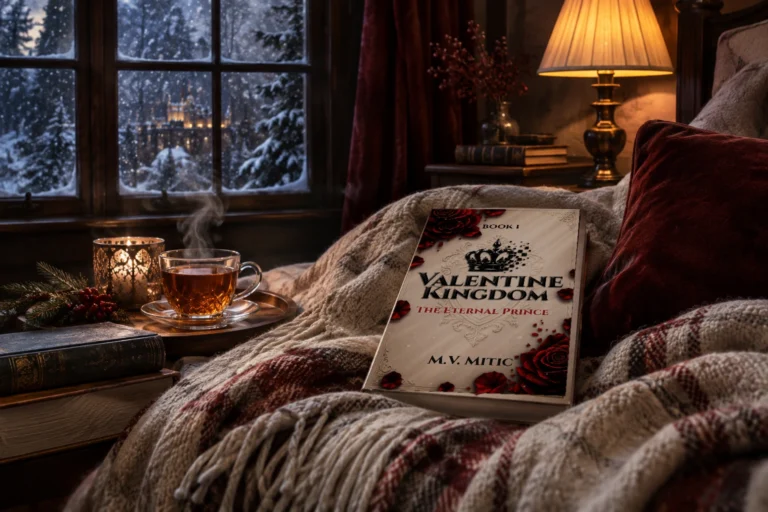
Winter changes the atmosphere of everyday life in ways that can influence how people spend their evenings. Shorter days, colder weather and more time indoors may make reading particularly attractive. A comfortable chair, warm lighting and a quiet room create an environment in which opening a novel can feel like a natural way to relax. I think printed books fit especially well into that setting because the physical object becomes part of the atmosphere.
Imagine sitting beside a fireplace while rain reaches the windows or snow falls outside. A printed novel rests comfortably in your hands, and the only interruption is the occasional sound of a page turning. The surroundings do not need to be elaborate, and a fireplace is certainly not necessary, but the contrast between a warm interior and cold weather can make the experience memorable. A fantasy novel describing ancient castles or a mystery set in an isolated village may feel particularly vivid under those circumstances. For me, winter reading is appealing because the environment encourages spending time with a story without constantly looking for another activity.
Many everyday activities now involve electronic devices. People work on computers, communicate through smartphones, watch entertainment on televisions and manage ordinary responsibilities through applications. Digital technology is useful, but I think there is something appealing about choosing an activity that does not require another screen, particularly after spending much of the day surrounded by them.
A printed book provides that opportunity without requiring readers to abandon technology entirely. There are no incoming notifications within the pages, no applications waiting in the background and no battery level to consider. The reader can concentrate on the story without interacting with an electronic interface. Of course, distractions can still exist in the surrounding room, and digital reading applications can provide equally focused experiences. However, I understand why some people prefer the simplicity of printed pages during quiet evenings. Sometimes the attraction is not that physical books offer more features, but that they require fewer.
The way readers move through a story can influence the overall experience. Digital readers often provide page-turning controls, scrolling or gestures that allow the text to advance with very little effort. Printed books require a physical action, whether that means turning a page, adjusting the volume in your hands or placing a bookmark before taking a break.
I find this difference interesting because the action becomes familiar over time. The thickness of the remaining pages provides a sense of where the reader is within the novel, while particular scenes may become associated with their physical position in the book. Some people remember whether an important event appeared near the beginning of a chapter or on the left side of an open volume. Digital editions offer their own navigation tools, but they do not always create the same physical relationship with the text. Neither method changes the quality of the writing. The distinction is simply that printed books allow the reader to interact with the story through an object rather than an interface.
Physical books offer something that digital collections generally cannot provide in the same way: a visible presence in the home. A shelf containing novels can reflect the interests, memories and preferences of the person who owns them. Fantasy series, historical fiction, mysteries and favorite childhood books may exist together, creating a collection that develops gradually over many years.
I think a personal bookshelf is interesting because it often represents more than the titles themselves. A book purchased during a holiday may remind somebody of that journey, while a gifted novel might remain associated with the person who selected it. Some editions become valuable to their owners because of handwritten messages, distinctive covers or particular memories. The collection does not need to be expensive or especially large to feel meaningful. A few favorite novels can make a room feel personal, particularly when those books have genuinely been read and enjoyed. During winter, that visible collection can also contribute to the comfortable atmosphere of a reading space.
Not all printed books provide exactly the same experience. Paperbacks are usually practical, relatively lightweight and convenient for ordinary reading, while hardcover editions often emphasize durability and presentation. Some readers enjoy collecting carefully designed volumes with distinctive cover artwork, quality materials or additional illustrations. For them, a physical edition can be both a way to read the story and an object worth keeping.
I find this especially interesting for fantasy fiction because the appearance of a book can reflect the atmosphere of its fictional world. A carefully designed cover, decorative elements and consistent visual identity across a series can make a collection recognizable. However, I do not think expensive production automatically makes a book more meaningful. A simple paperback can become somebody’s favorite possession because of the story it contains. Collector’s editions serve a different purpose by offering something additional to readers who appreciate physical design. The important part is that the edition matches what the reader values rather than assuming that every book needs elaborate packaging.
Christmas is one of the occasions when physical books have an advantage that becomes immediately apparent. A printed novel can be wrapped, placed beneath a tree and opened as a traditional present. The recipient can examine the cover, read the description and begin exploring the book without first arranging digital access. I think this makes printed editions especially attractive for people who enjoy giving thoughtful gifts.
A book can also remain meaningful after the holiday has ended. Someone might keep it on a shelf for years, reread it during another winter or associate it with the person who gave it to them. A handwritten message inside the cover can make that connection even more personal. Digital books may be convenient gifts when the seller supports gifting, but the experience is different from receiving a physical volume. I would not argue that one format is universally more thoughtful. Rather, printed books offer a tangible quality that can complement the personal meaning of a gift, particularly when the recipient enjoys collecting or displaying their favorite stories.
I do not believe reading needs to follow a strict schedule, but familiar surroundings can make the activity more enjoyable. A reader might return to the same chair during winter evenings, keep a novel beside the bed or spend part of a quiet Sunday afternoon working through a longer story. Over time, the book can become connected to those ordinary moments.
Physical editions fit naturally into such routines because they can remain visible between reading sessions. A novel resting on a side table becomes a reminder that the story is waiting to continue. The reader does not need to search through applications or remember which digital library contains the title. I think this simplicity can make returning to a book feel inviting, although it certainly does not guarantee that somebody will read more frequently. For me, reading should remain something enjoyable rather than another task measured by the number of chapters completed. A printed book can support that experience without requiring any complicated arrangement.
Although I appreciate the appeal of physical books, I would not argue that printed editions are automatically better than ebooks. Digital reading offers practical advantages that become particularly important during travel, international purchases and situations where storage space is limited. A phone or dedicated ebook reader can provide access to multiple titles without requiring a suitcase full of books.
Digital editions also offer useful customization options. Many reading applications allow users to adjust font sizes, background themes and page layouts according to their preferences. These features can make reading more comfortable for people who find conventional print difficult to use. Depending on the platform, ebooks may also provide search tools, bookmarks and synchronization between devices. Those capabilities have genuine value, and I think dismissing them simply because printed books feel more traditional would overlook the reasons digital publishing has become so useful. The sensible approach is recognizing that convenience and physical enjoyment are different qualities, both of which can matter to readers.
Audiobooks demonstrate that literature does not need to be limited to printed pages or digital text. A narrated story allows someone to follow characters and events while listening, making it possible to enjoy books in circumstances where conventional reading may be inconvenient. Travelling, walking or relaxing without holding a device can create opportunities for audio storytelling.
I find the creative possibilities particularly interesting because narration influences the way a story is experienced. A character’s dialogue may feel different when performed by a narrator, while pacing and carefully selected sound elements can contribute to the atmosphere. However, audio production also introduces considerations that do not exist in printed books, including voice quality, recording consistency and the listener’s preferences. I think the existence of these different formats strengthens publishing rather than diminishing the value of traditional books. The same story can offer several experiences, each suited to different circumstances.
The continued appeal of printed books shows that convenience is not the only factor influencing how people choose entertainment. Digital editions can be purchased and accessed with remarkable ease, yet readers may still prefer physical volumes because of their appearance, familiarity or personal significance. The qualities people appreciate in printed books are not necessarily problems that technology needs to solve.
For independent authors, this creates an interesting publishing opportunity. A digital edition may provide convenient access for international readers, while a paperback or hardcover can serve those who prefer traditional reading and collecting. Offering several formats can broaden the ways readers experience a novel, although each edition requires appropriate preparation and distribution. I prefer treating these formats as complementary rather than assuming that one must eventually replace the others. A reader might first discover a book digitally and later purchase a printed edition for their collection, or begin with a paperback and choose an ebook for future travel. Both approaches are reasonable.
What interests me most is how a story can retain its identity while the format changes. The characters, fictional setting and central narrative remain recognizable whether somebody reads a paperback, opens an ebook or listens to an audiobook. Yet the circumstances surrounding each experience can be completely different.
For Valentine Kingdom, I like the possibility that readers may eventually enjoy The Eternal Prince through different editions. A digital version can provide convenient reading access, while a printed edition can offer the physical experience of holding the novel and displaying it alongside other books. An audiobook can introduce another way to experience the same fictional world. Each format has its own advantages, but none changes the central importance of the story itself. I think this flexibility is one of the interesting opportunities created by modern independent publishing. Authors can consider different reader preferences without abandoning the traditional qualities that make physical books appealing.
Ultimately, I think physical books remain special because they combine storytelling with an experience that exists beyond the words themselves. The feeling of turning pages, the appearance of a finished volume and the presence of books on a shelf can all contribute to the pleasure of reading. Winter evenings make those qualities particularly appealing because the surrounding atmosphere encourages spending time indoors with something familiar and enjoyable.
I would not suggest that every reader needs a fireplace, an elaborate library or a collection of expensive hardcovers. A comfortable chair, suitable lighting and a good paperback can provide everything necessary. The experience does not depend on creating a perfect setting, and the value of a novel should never be measured entirely by its physical presentation.
At the same time, I think there is room to appreciate the differences between formats without turning them into a competition. Ebooks offer convenience, accessibility and practical storage advantages, while audiobooks provide another way to experience stories. Printed editions offer the familiarity of paper and the satisfaction of owning a physical volume. Readers can prefer one format, enjoy all three or change their habits according to the situation.
For me, the continued appeal of physical books demonstrates something simple: reading is not always about efficiency. Sometimes people enjoy an experience precisely because of the small details surrounding it. A quiet winter evening, a comfortable room and a printed novel can create a memorable moment without requiring anything extraordinary.
The story remains the most important part, but the way we experience it can make that story feel even more personal. And that is why I think printed books will continue to have a meaningful place alongside digital reading, particularly for people who appreciate the simple pleasure of turning a page while the world outside grows quiet.
November 11, 2026Somewhere along the way, reading seems to have become another activity people are encouraged to measure. How many books have you finished?…
 November 11, 2026
People often talk about reading goals as though finishing more books automatically means becoming a better reader. Read fifty books this year,…
 November 11, 2026
Have you ever noticed how much easier it is to enjoy a book when your surroundings feel comfortable? I think the environment…
 November 11, 2026
The beginning of a new year often creates pressure to make ambitious resolutions. Write an entire novel, publish several books, build a…
 November 11, 2026
Christmas attracts enormous attention from retailers, publishers and businesses offering seasonal promotions. Throughout December, customers encounter discounted products, gift recommendations and advertisements…
 November 11, 2026
Holiday travel often involves packing more things than expected. Clothes, gifts, personal belongings and everything else compete for limited space. Whether somebody…
 November 11, 2026
December seems like an attractive month to release a book. People are shopping for Christmas gifts, spending more time indoors and looking…
 November 11, 2026
Every winter, online stores begin advertising seasonal discounts, limited-time offers and holiday promotions. Books are no exception. A lower price can make…
 November 11, 2026
Holiday shopping has become increasingly dominated by electronics, subscriptions and products that often disappear from attention shortly after they are purchased. Every…
 November 11, 2026
There is something about winter that makes reading feel different from the rest of the year. The days become shorter, evenings arrive…
November 11, 2026Somewhere along the way, reading seems to have become another activity people are encouraged to measure. How many books have you finished?…
November 11, 2026People often talk about reading goals as though finishing more books automatically means becoming a better reader. Read fifty books this year,…
November 11, 2026Have you ever noticed how much easier it is to enjoy a book when your surroundings feel comfortable? I think the environment…
November 11, 2026The beginning of a new year often creates pressure to make ambitious resolutions. Write an entire novel, publish several books, build a…
November 11, 2026Christmas attracts enormous attention from retailers, publishers and businesses offering seasonal promotions. Throughout December, customers encounter discounted products, gift recommendations and advertisements…
November 11, 2026Holiday travel often involves packing more things than expected. Clothes, gifts, personal belongings and everything else compete for limited space. Whether somebody…
November 11, 2026December seems like an attractive month to release a book. People are shopping for Christmas gifts, spending more time indoors and looking…
November 11, 2026Every winter, online stores begin advertising seasonal discounts, limited-time offers and holiday promotions. Books are no exception. A lower price can make…
November 11, 2026Holiday shopping has become increasingly dominated by electronics, subscriptions and products that often disappear from attention shortly after they are purchased. Every…
November 11, 2026There is something about winter that makes reading feel different from the rest of the year. The days become shorter, evenings arrive…

Add the M.V. Mitic app to your device and start reading.