 November 11, 2026
Is Reading One Chapter Every Evening Enough?
People often talk about reading goals as though finishing more books automatically means becoming a better reader. Read fifty books this year,…
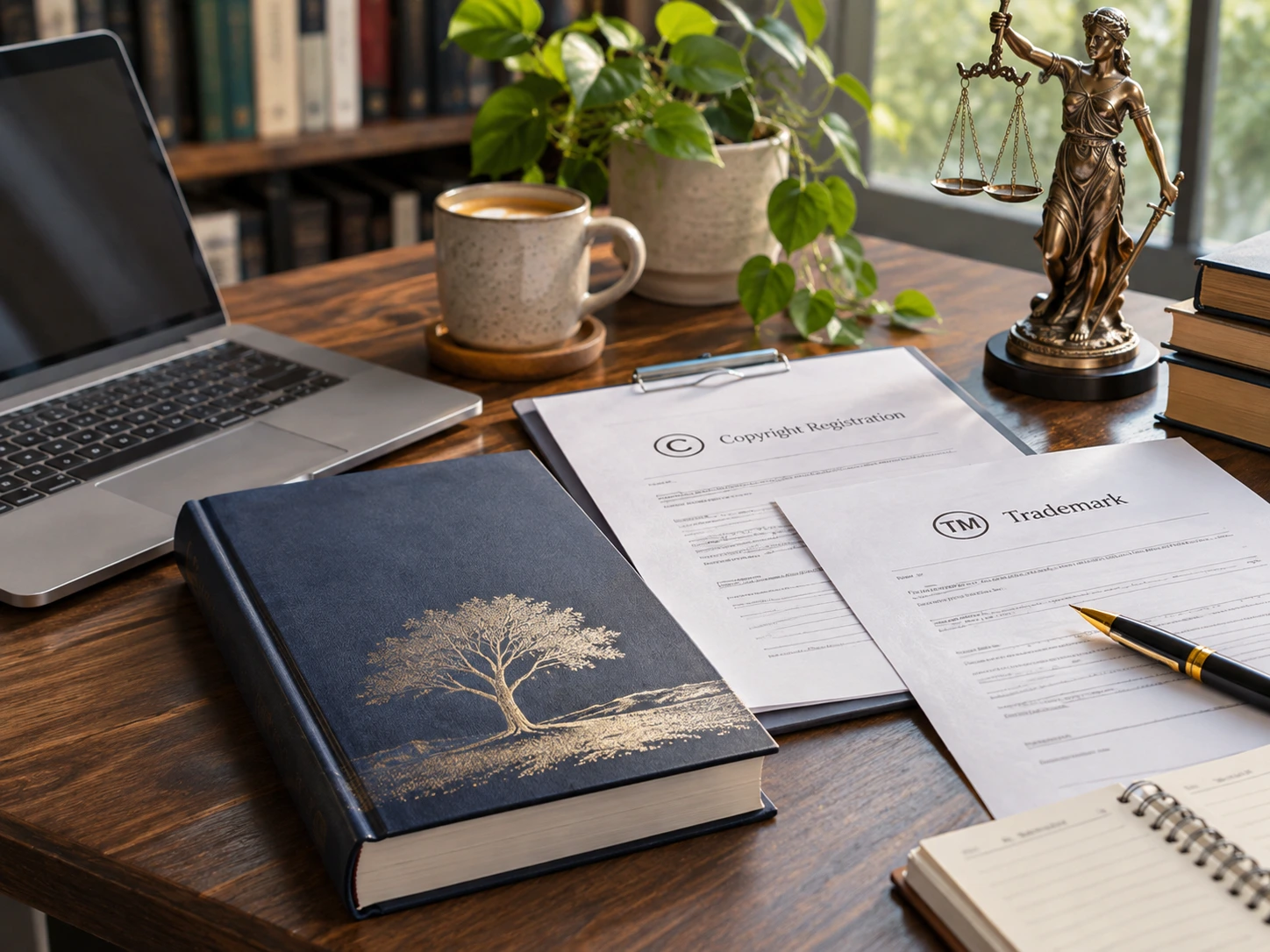
Choosing a title is one of the most personal decisions an author makes. It might represent years of writing, an entire fictional world or the beginning of a long series. A good title can communicate the atmosphere of a novel before somebody reads its description, while a distinctive name can gradually become associated with the author’s wider publishing identity. Naturally, discovering another book with the same or a very similar title can feel uncomfortable, particularly when the author has already invested considerable time developing the work.
However, the legal treatment of book titles differs from the protection given to the stories themselves. Two unrelated novels can sometimes share the same title without either author automatically infringing the other’s copyright. Trademark rights and commercial branding introduce additional considerations, especially when a name identifies an established series or publishing business. I think understanding these distinctions is important because authors should be able to protect their creative work without assuming that every familiar combination of words belongs exclusively to the first person who publishes it.
In many circumstances, two books can share the same title without creating an automatic legal violation. A title identifies a literary work, but it does not necessarily establish exclusive ownership of the words used in that name. Several unrelated books might use an ordinary phrase, a familiar expression or a combination of words that different authors independently selected.
I think this can seem surprising to somebody who has spent years developing a novel around a particular title. The name may feel inseparable from the story, but that personal connection does not automatically create exclusive legal rights over the phrase. The situation becomes more complicated when the title is also used as a recognizable commercial brand, particularly if another publisher adopts a similar name in circumstances that could confuse customers. The important distinction is that sharing a title and unlawfully exploiting somebody else’s protected rights are not necessarily the same thing.
In the United States, copyright generally does not protect individual names, titles or short phrases. Copyright protection instead focuses on original creative expression, such as the text of a novel and qualifying illustrations. This means an author can own copyright in a manuscript without automatically possessing exclusive copyright protection over the words appearing on its cover as the title.
The U.S. Copyright Office explains this distinction in its guidance about copyright protection. I think it is useful because copyright is often misunderstood as a form of ownership over every creative decision associated with a book. A title may be original, meaningful and carefully chosen, but it is not necessarily protected in the same way as the narrative itself. Different countries have their own laws, so the treatment of titles and short expressions should not be assumed to be identical everywhere.
A novel contains many different creative elements. Its original text, dialogue and particular expression of fictional events may receive copyright protection, while general ideas, themes and familiar storytelling concepts are treated differently. Two authors can independently write stories involving kingdoms, vampires, mysterious forests or royal families without those broad concepts automatically belonging to either writer.
I think this distinction matters when discussing similar book titles because authors sometimes connect the name too closely with the underlying concept. A title containing the word kingdom, for example, does not necessarily prevent another writer from using that word in a different work. What matters for copyright is whether protected expression has been copied, not simply whether two books share a familiar subject or phrase. Trademark and other applicable laws may raise separate questions, but similarity alone does not establish that one author has copied the other’s manuscript.
Trademark law addresses a different concern from copyright. Rather than protecting the creative expression within a novel, trademarks can help distinguish the commercial source of particular goods or services. A name used consistently to identify an established publishing series or brand may therefore raise trademark considerations that would not arise from copyright alone.
I find this particularly important for authors planning multiple books. A single novel title identifies one creative work, while a series name may eventually identify a continuing collection of publications associated with a particular author or publisher. In the United States, the treatment of these uses differs. The U.S. Patent and Trademark Office explains that the title of a single creative work generally cannot be registered as a trademark merely in that capacity, while a name identifying a series may qualify when the relevant requirements are satisfied. This does not mean every series title automatically receives protection, but it illustrates why the commercial use of a name matters.
Imagine an author publishing one fantasy novel under a distinctive title. That title identifies the individual book, but the author may later decide to develop several stories within the same fictional universe. If a recognizable name begins identifying the series as a whole, it can acquire a different commercial function from the title of an individual volume.
I think this distinction is important when planning a long-term publishing project. A series identity can appear across several covers, a website, promotional materials and future releases. Readers may begin recognizing that identity even when the individual books have different titles. However, simply intending to create a series does not automatically establish trademark rights or meet registration requirements. The actual use of the name, its distinctiveness and relevant existing rights all matter. For me, the practical lesson is to think about naming not only as a creative decision but also as something that may eventually become part of a recognizable business.
Even when copyright does not protect a title, using a similar name can sometimes create problems under trademark or other applicable commercial laws. A central concern is whether consumers may mistakenly believe that two products come from the same source, belong to the same series or have some commercial connection that does not actually exist.
The evaluation depends on the circumstances. The similarity of the names, the nature of the books, the relevant audience and the commercial use of the title may all be important. I would not assume that the existence of another book with the same words automatically prevents publication, but I would also avoid assuming that copyright’s treatment of short phrases eliminates every other legal consideration. For an independent author, the most sensible approach is understanding whether an existing name has developed a recognizable commercial identity before committing to something substantially similar.
Legal permission is only one part of choosing a book title. Even where two authors can use the same name, competing titles can create practical difficulties. A reader searching for a particular novel may encounter several unrelated books, especially when the title consists of common words or a frequently used phrase.
I think this matters increasingly for independent authors who depend on online discovery. Search engines, online bookstores and social media platforms may display results for several works sharing similar titles. An unfamiliar book can become harder to identify when another publication already dominates the results associated with the same phrase. Adding the author’s name to the search may help, but readers do not always remember that information.
For me, a distinctive title creates an opportunity to build a clearer association between the words and the intended work. It does not guarantee favorable search rankings, but it can make the book easier to distinguish from unrelated publications. That practical advantage can be valuable even when there is no legal dispute.
A title influences the first impression a reader receives. Before someone examines the opening chapters, they may encounter the name through a cover image, search result, article or recommendation. A strong title can suggest the atmosphere and genre of a story while remaining recognizable enough to remember later.
I think the challenge is balancing familiarity with distinctiveness. A title that communicates nothing about the story may be difficult to interpret, while an extremely generic phrase may compete with numerous unrelated results. The most suitable choice depends on the novel and its intended audience. A fantasy title might suggest royalty, mystery or a fictional world, while a historical novel may benefit from a different approach.
Personally, I prefer names that feel connected to the identity of the work rather than titles selected exclusively to contain popular search keywords. Search visibility matters, but the name should also remain appropriate when the book becomes part of a larger catalogue. A title that works creatively and commercially is more useful than one designed for a temporary marketing trend.
Before committing to a title, I think it makes sense to examine whether other books already use the same or similar names. Searching major book catalogues, general search engines and relevant publishing websites can reveal existing works that might otherwise be overlooked. The objective is not necessarily to find a phrase that has never appeared anywhere, but to understand the competitive environment surrounding the proposed name.
If the title is also intended to function as a series or business identity, relevant trademark searches become particularly important. Authors should consider the countries in which they plan to operate and whether existing marks cover related goods or services. A basic search can identify obvious concerns, but it does not provide certainty that a name is legally available. More substantial commercial investments may justify professional clearance advice. I would rather investigate potential conflicts before designing several covers, registering related domains and building promotional materials around a name that might later need reconsideration.
Changing a book title after publication may be possible, but it can create practical complications. The process depends on the distribution arrangement, edition details, publisher agreements and applicable requirements. Updating a title on an independent website may be straightforward from a technical perspective, while changing information associated with distributed print or digital editions may require additional procedures.
I think the larger challenge is maintaining recognition. Readers may already know the book under its original title, and existing links, reviews or recommendations may continue using that name. A replacement can therefore create confusion unless the transition is handled clearly. The author may also need new cover artwork, product descriptions and promotional materials.
For me, this is another reason to examine a proposed title carefully before publication. Choosing a name should not become an endless process, but a little research can prevent considerable work later. A title intended to represent a long-term series deserves particular attention because changing it may affect several books rather than one individual publication.
An independent author developing a continuing fictional universe may eventually build substantial recognition around the series name. Readers can begin associating that identity with particular characters, settings and future releases. A series title may appear across printed editions, digital products, author websites and promotional content.
For Valentine Kingdom, I consider the distinction between the series identity and individual book titles especially important. The Eternal Prince identifies the first book, while Valentine Kingdom represents the larger fictional world and publishing identity surrounding the series. Those names serve related but different purposes. As the catalogue develops, maintaining a consistent presentation can help readers recognize how the books connect.
I think this is where naming becomes a long-term business consideration. A series identity may eventually have value beyond any individual title, particularly when readers associate it with multiple publications. However, that potential does not automatically establish exclusive legal rights. Actual marketplace use, existing rights and applicable trademark requirements remain relevant.
Authors increasingly use websites and social platforms to introduce their books. A distinctive title may be easier to incorporate into a domain name, promotional account or searchable publishing identity. However, the availability of a domain or social media username does not necessarily establish legal ownership of the corresponding words.
I think it is sensible to examine these practical considerations before committing to a name. If a proposed series title is already widely used by an unrelated business, building a recognizable online identity may become difficult even when publication under that title is legally possible. Readers might reach the wrong website or struggle to identify the intended author.
At the same time, I would not treat the inability to obtain one exact domain name as an automatic reason to abandon a good title. Authors can sometimes use their own names or broader publishing identities for their websites. The objective is creating an arrangement that readers can understand and remember. For me, the strongest approach is keeping the book, series and author identity consistent enough that people can distinguish them without unnecessary confusion.
Discovering another book with the same title can be frustrating, particularly when the original name has already become familiar to readers. However, I think the first step should be understanding the circumstances rather than assuming a legal violation has occurred. Two unrelated novels may share a title without copying each other’s protected content.
The situation becomes more complicated if the other publication uses branding that closely resembles an established series, creates confusion about its commercial source or involves additional protected material. In such cases, the relevant facts and applicable laws would need to be considered. I would avoid making public accusations based entirely on the existence of identical words.
From a practical perspective, the author can also examine how the competing title affects discovery. Search results, customer questions and marketplace presentation may reveal whether readers are actually confusing the works. Sometimes the similarity creates little difficulty. In other situations, clearer branding or additional professional advice may be appropriate. The important part is distinguishing a disappointing coincidence from conduct that genuinely interferes with protected rights.
I think one of the most useful lessons is that something can be legally permissible without being commercially sensible. An author might be allowed to publish a novel under a title already used by another unrelated work, but doing so could still make the book harder to find. Conversely, a highly distinctive title may offer practical branding advantages without automatically qualifying for every form of legal protection.
For independent publishing, both considerations matter. Legal rights help establish boundaries around protected creative and commercial interests, while branding helps readers recognize a particular author, series or product. A strong publishing identity benefits from understanding the difference rather than treating copyright, trademarks and marketing as interchangeable concepts.
Personally, I would rather choose a name that feels appropriate for the story and can develop a recognizable identity over time. The objective is not to claim ownership of every word associated with a fictional world. It is to establish a clear connection between the work and the readers who are interested in discovering it.
Ultimately, I think choosing a book title requires balancing personal creativity with practical publishing considerations. The name may carry considerable meaning for its author, but that meaning does not automatically establish exclusive legal ownership of the words. In the United States, copyright generally does not protect individual book titles, while trademark law may become relevant when a name serves a recognizable commercial function.
Two books can sometimes share the same title without either author violating the other’s rights. However, similarity may still create problems involving customer confusion, search visibility and the development of a recognizable series identity. Those risks deserve consideration before publication, particularly when an author intends to build a long-term catalogue.
For me, the sensible approach is to research existing publications, understand the distinction between copyright and trademarks, and choose a title that supports the creative work as well as its commercial presentation. A name should feel connected to the story without becoming unnecessarily difficult for readers to identify.
I also think authors should remember that the title is only one part of a book’s identity. The writing, characters, cover design, author name and larger publishing environment all contribute to how readers recognize the work. A distinctive title can support those elements, but it does not replace them.
A good name may begin as a creative decision, yet over time it can become associated with an entire fictional world and the readers who enjoy it. That possibility makes thoughtful title selection worthwhile, even when the law does not provide exclusive copyright protection over the title itself.
For me, the objective is not simply finding words that nobody else has used. It is choosing a title that belongs naturally to the story, gives readers a clear identity to remember and can continue representing the work as the publishing project grows.
November 11, 2026People often talk about reading goals as though finishing more books automatically means becoming a better reader. Read fifty books this year,…
 November 11, 2026
Digital reading has made books more accessible than ever. We can carry entire libraries on our phones, purchase ebooks almost instantly and…
 November 11, 2026
Have you ever noticed how much easier it is to enjoy a book when your surroundings feel comfortable? I think the environment…
 November 11, 2026
The beginning of a new year often creates pressure to make ambitious resolutions. Write an entire novel, publish several books, build a…
 November 11, 2026
Christmas attracts enormous attention from retailers, publishers and businesses offering seasonal promotions. Throughout December, customers encounter discounted products, gift recommendations and advertisements…
 November 11, 2026
Holiday travel often involves packing more things than expected. Clothes, gifts, personal belongings and everything else compete for limited space. Whether somebody…
 November 11, 2026
December seems like an attractive month to release a book. People are shopping for Christmas gifts, spending more time indoors and looking…
 November 11, 2026
Every winter, online stores begin advertising seasonal discounts, limited-time offers and holiday promotions. Books are no exception. A lower price can make…
 November 11, 2026
Holiday shopping has become increasingly dominated by electronics, subscriptions and products that often disappear from attention shortly after they are purchased. Every…
 November 11, 2026
There is something about winter that makes reading feel different from the rest of the year. The days become shorter, evenings arrive…
November 11, 2026People often talk about reading goals as though finishing more books automatically means becoming a better reader. Read fifty books this year,…
November 11, 2026Digital reading has made books more accessible than ever. We can carry entire libraries on our phones, purchase ebooks almost instantly and…
November 11, 2026Have you ever noticed how much easier it is to enjoy a book when your surroundings feel comfortable? I think the environment…
November 11, 2026The beginning of a new year often creates pressure to make ambitious resolutions. Write an entire novel, publish several books, build a…
November 11, 2026Christmas attracts enormous attention from retailers, publishers and businesses offering seasonal promotions. Throughout December, customers encounter discounted products, gift recommendations and advertisements…
November 11, 2026Holiday travel often involves packing more things than expected. Clothes, gifts, personal belongings and everything else compete for limited space. Whether somebody…
November 11, 2026December seems like an attractive month to release a book. People are shopping for Christmas gifts, spending more time indoors and looking…
November 11, 2026Every winter, online stores begin advertising seasonal discounts, limited-time offers and holiday promotions. Books are no exception. A lower price can make…
November 11, 2026Holiday shopping has become increasingly dominated by electronics, subscriptions and products that often disappear from attention shortly after they are purchased. Every…
November 11, 2026There is something about winter that makes reading feel different from the rest of the year. The days become shorter, evenings arrive…

Add the M.V. Mitic app to your device and start reading.