 November 11, 2026
Why I Think Reading Should Feel Like an Experience, Not a Task
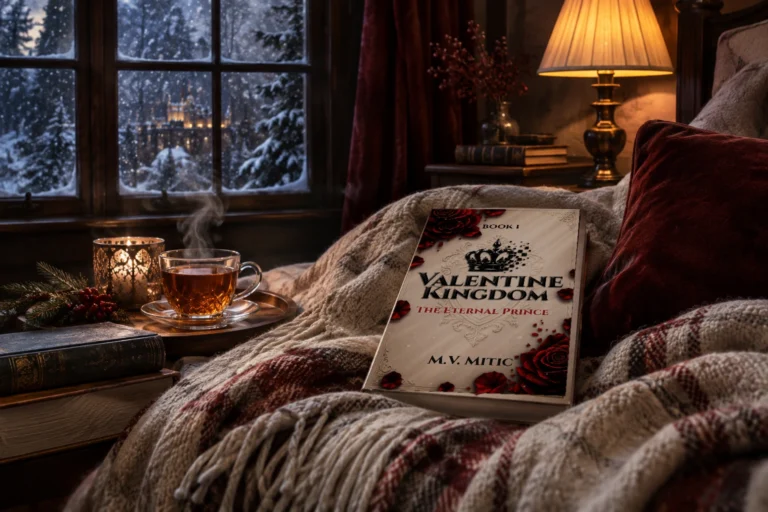
Somewhere along the way, reading seems to have become another activity people are encouraged to measure. How many books have you finished?…
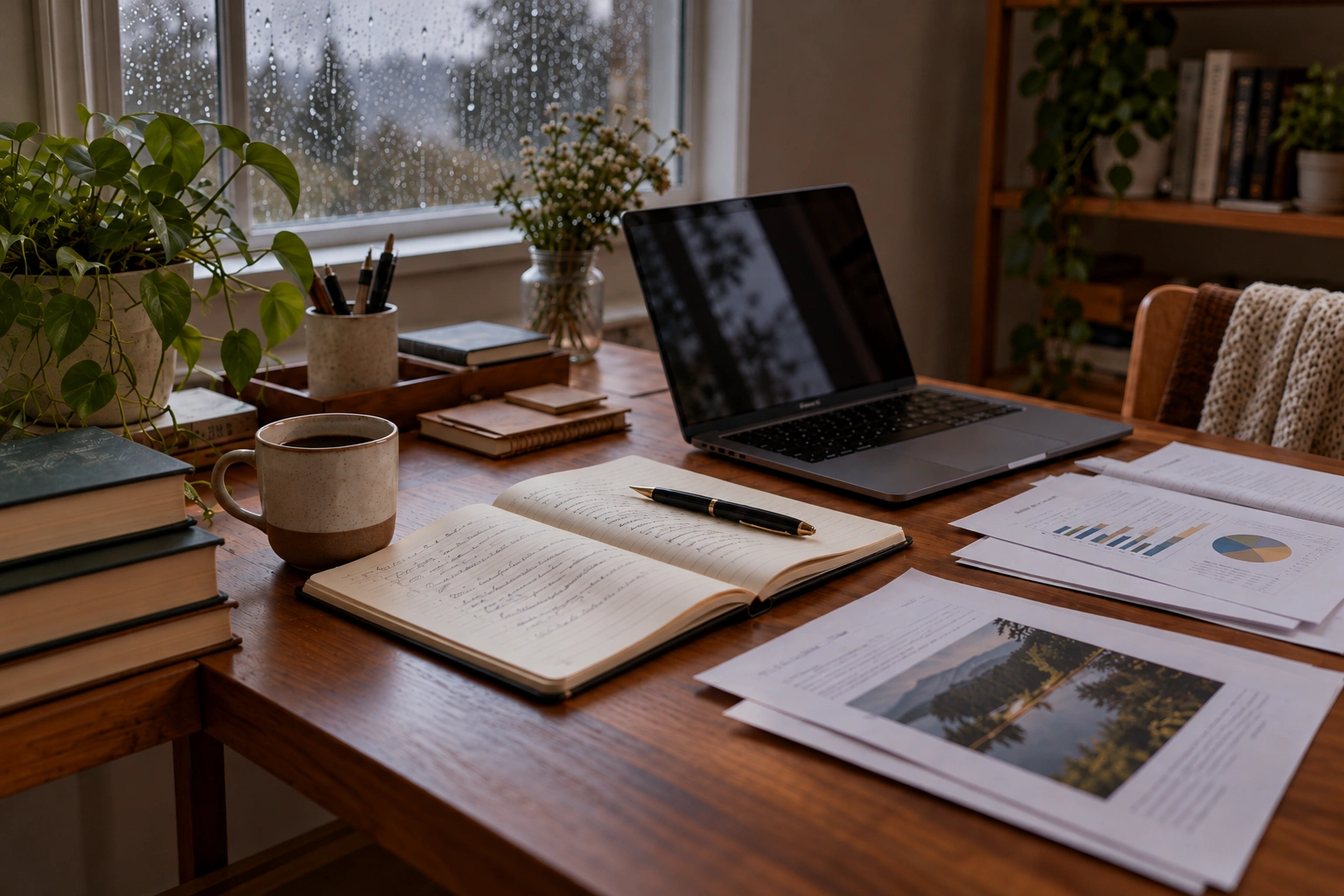
I originally treated Pinterest like another social media platform where I could share images from my website. I would publish an article, share its featured image and move on to the next post. At first, it seemed similar to sharing content through Facebook, Threads or other platforms where the main objective is getting people to notice something shortly after publication.
After using Pinterest for a while, I started seeing it differently. Pins can continue receiving impressions long after they are published, which makes the platform particularly interesting for evergreen articles. Unlike social posts that often receive most of their attention during a short period, Pinterest content can remain discoverable through searches, recommendations and related Pins over a much longer time.
For me, that changes how I think about publishing. I do not want to spend every day creating completely separate content for several platforms. I would rather publish useful articles on my own website and allow different discovery channels to introduce those articles to new readers.
Pinterest fits that approach because a Pin can act as another entry point to something that already exists. The article remains on my website, while Pinterest provides another opportunity for someone to discover it.
Most social media platforms encourage a constant flow of new content. People scroll through their feeds, react to whatever appears and continue moving. A post might receive attention for several hours before newer material gradually replaces it.
Pinterest works differently in several important ways. People use it to search for ideas, explore subjects, organize inspiration and discover content connected to their interests. That makes it particularly useful for material that remains relevant beyond the day it was published.
A Pin about an evergreen subject does not necessarily lose its usefulness after a week. Someone researching website design, writing advice or fantasy landscapes might discover an older Pin because the subject continues to interest people.
I find that appealing because I prefer creating content with a longer useful life. An article about choosing a domain name or building an author website can remain relevant for a considerable period, especially when it is maintained and updated when necessary.
That does not mean every Pin will continue performing indefinitely. Pinterest distribution changes, and the visibility of individual Pins can rise or fall. However, the possibility of receiving attention months after publication makes it worth approaching differently from a platform built primarily around immediate reactions.
When I publish a blog post, it already exists on my website and can potentially appear in Google or other search engines. Adding it to Pinterest creates another way for someone to discover the same article without requiring me to write an entirely new piece of content.
The article already has a title, featured image and destination URL. Those elements provide much of what is needed to create a Pin. I can use the existing material as the foundation and make adjustments when the presentation needs to fit Pinterest more naturally.
I like this because it allows one piece of work to serve several purposes. The original article remains the main destination, while a Pin can introduce it to people who might never have encountered the website through ordinary search results.
For example, an article about professional author websites may attract search traffic from people researching website development. On Pinterest, the featured image and title provide another opportunity to introduce the same subject to people browsing related ideas.
The key is making sure the Pin accurately represents the destination. Someone who clicks an image expecting information about website design should arrive at an article that actually discusses that subject.
For me, Pinterest becomes another distribution layer around original content rather than a reason to create an entirely separate publishing operation.
One of the reasons I am interested in Pinterest is that much of my website content is designed to remain useful over time. Articles about publishing, domain names, website performance, writing and business decisions do not necessarily become irrelevant immediately after publication.
Some information will need updating as technology and services change, but the underlying subjects can continue attracting interest. Someone researching how to create an author website next year may have many of the same questions as someone researching it today.
That makes evergreen content particularly appealing for long-term discovery. I can publish an article, share it through Pinterest and allow the Pin to remain available while I continue developing other parts of the website.
Seasonal subjects can also be useful, although they behave differently. Articles about autumn, winter landscapes or particular holidays may attract attention during certain periods of the year. An older Pin can potentially become relevant again when interest in that subject returns.
I do not want to build the entire publishing strategy around short-lived trends. They can create opportunities, but I prefer having a substantial collection of articles that people may find useful throughout the year.
For me, evergreen publishing and Pinterest complement each other because both can support discovery beyond the immediate publication date.
Pinterest is a visual platform, which means the image plays an important role in attracting attention. Someone browsing a collection of Pins may notice the photograph or illustration before reading the title or description.
That makes image selection worth considering when publishing articles. A clear, relevant image can communicate the subject quickly, while an unrelated picture may attract the wrong audience or create confusion about the destination.
I prefer using images that belong naturally with the article. A post about website development might use a professional workspace or computer, while an article about fictional landscapes could use an atmospheric forest, castle or mountain scene.
The image should still reflect the content rather than simply looking attractive. I do not see much benefit in receiving clicks from people who expect something completely different from the article they eventually open.
Vertical images can also be useful because Pinterest’s interface is designed around visual discovery on different devices. Its official Pin performance guidance recommends high-quality original content and provides advice about suitable image formats.
However, I do not think every article needs an elaborate custom graphic. A good featured image can already provide a useful starting point, particularly when maintaining a large publishing schedule.
My Pinterest account is still relatively small, but I have already seen individual Pins continue collecting impressions over time. That interests me more than one sudden spike followed by complete inactivity.
When a Pin receives impressions several days or weeks after publication, it suggests that the content is continuing to appear in front of users. The numbers may be modest, but they provide something measurable.
I think small accounts can benefit from observing these patterns before drawing conclusions about what works. A Pin receiving a few impressions does not prove that the subject will eventually become popular. However, repeated activity across several Pins may reveal which topics or images attract more attention.
I also prefer comparing performance over longer periods rather than checking every hour. Pinterest distribution can fluctuate, and a Pin that performs poorly immediately after publication may behave differently later.
For me, the most interesting question is whether the collection begins attracting attention as a whole. One Pin may contribute very little, but an increasing number of useful Pins creates more opportunities for different subjects to reach interested audiences.
That gradual development is what makes Pinterest appealing as a long-term experiment.
One important distinction I have learned is that Pinterest impressions and actual website visits are not the same thing. An impression means a Pin appeared on someone’s screen. It does not necessarily mean the person opened it or visited the linked article.
That difference matters when evaluating whether Pinterest is helping the website grow. A Pin might receive thousands of impressions but generate very few outbound clicks, while another with fewer impressions could attract more people to the original article.
I think both measurements are useful, but they answer different questions. Impressions provide information about visibility, while outbound clicks give a clearer indication of how often people are leaving Pinterest for the linked destination.
Pinterest provides these measurements through its Analytics tools, which can help identify which Pins and subjects are attracting attention. I prefer watching those results alongside the traffic statistics from my own website.
That way, I can distinguish between content that looks popular on Pinterest and content that actually introduces readers to my articles. The objective is not simply collecting impressive impression numbers.
For me, successful distribution means people discover something interesting and have a reason to continue reading on the website.
I do not need every Pin to perform well. If I eventually have hundreds or thousands of useful articles, even a relatively small percentage attracting meaningful interest could contribute traffic back to the website.
That is one reason I am interested in building a larger content library. Every original article creates another potential destination, and each relevant Pin provides another opportunity for someone to discover it.
However, I think there is an important difference between publishing a large amount of useful content and repeatedly uploading nearly identical Pins. Simply increasing the number of uploads does not guarantee additional reach, particularly when the material offers little variation or value.
I prefer building volume through original articles covering different subjects. A collection containing publishing advice, website development, author business topics and fictional-world articles provides several distinct areas for readers to explore.
As that collection grows, Pinterest can help reveal which subjects interest its audience. Certain topics may attract more engagement than others, and that information can influence what I choose to publish next.
For me, volume is interesting because it creates more opportunities to learn, not because reaching a particular number of Pins automatically guarantees traffic.
One challenge of publishing regularly is distributing every new article across multiple platforms. Manually preparing and uploading each post can eventually consume a considerable amount of time, particularly when the website contains a growing archive.
That is why I like using automated publishing connections where they are appropriate. If an article already has a suitable title, featured image and link, much of the information required for sharing it is available.
Automation can reduce repetitive work and help maintain a consistent publishing process. Instead of spending time copying the same article information between services, I can concentrate on producing the original content and preparing its images.
However, automation still needs occasional checking. Images may not display as expected, links can be incorrect and publishing connections can occasionally fail. I prefer verifying that the system is working rather than assuming every article has been shared successfully.
I also think automated distribution should remain selective. Publishing large quantities of repetitive material without considering relevance is not the same as building a useful collection of Pins.
For me, the ideal process is simple: create the article, prepare the featured image, publish it and allow the distribution system to handle the appropriate sharing steps.
Another thing I find interesting about Pinterest is the possibility of reaching audiences that differ from those arriving through Google. Someone searching for technical publishing advice may behave differently from someone browsing images of castles, forests or fictional landscapes.
My articles cover several subjects, including author websites, publishing, branding and aspects of Valentine Kingdom. Those topics do not necessarily appeal to the same people, but they can each have an appropriate audience.
Pinterest allows me to explore those differences without changing the purpose of the original website. The articles remain organized around their subjects, while the platform may introduce particular Pins to people interested in related ideas.
I would not assume that every topic will perform equally well. Visual subjects may naturally be easier to communicate through images, while technical topics may require stronger titles and clearer visual presentation.
That is something I prefer discovering through actual results. If certain subjects consistently attract outbound clicks, I can consider producing more useful articles around those interests.
I like having several opportunities for discovery rather than depending entirely on one category or one source of traffic.
I do not see Pinterest as a replacement for Google or other search engines. Each platform provides a different way for people to discover content, and I think an author website can benefit from maintaining several appropriate discovery channels.
Google may introduce readers who are searching for specific information, while Pinterest can reach people exploring ideas and visual subjects. Social media platforms can provide additional visibility, and direct visitors may return because they already recognize the website.
The important part is that all these channels can lead toward the same original content. I want my website to remain the central destination rather than building an entirely separate collection of articles for every platform.
This is also useful from a business perspective. Visitors arriving through Pinterest may read articles, explore other pages or become interested in the books. If the website uses display advertising, eligible visits may also contribute to advertising revenue.
Of course, the financial result depends on visitor engagement, advertising demand and other factors. More Pins do not automatically mean more revenue, just as additional impressions do not guarantee additional visitors.
For me, the value is creating another sustainable opportunity for people to discover the website without relying entirely on paid advertising or constant manual promotion.
As Pinterest activity develops, I want to pay attention to which Pins attract meaningful engagement and which ones produce actual visits. Those results can provide useful information about both the subjects and the presentation of the content.
An article may perform well in Google but attract little interest on Pinterest. Another subject might receive modest search traffic while performing better through visual discovery. I think those differences are worth understanding rather than expecting every distribution channel to behave identically.
The information can influence future decisions about article topics, featured images and how content is presented. If a particular subject consistently interests Pinterest users, I can explore related questions without simply reproducing the same article repeatedly.
I also want to avoid making constant changes based on temporary fluctuations. A Pin receiving fewer impressions during one week does not necessarily mean something is wrong. Looking at longer-term patterns should provide a more useful understanding of what is happening.
For me, the objective is gradual improvement. Publish useful material, observe what attracts attention and adjust the approach when there is a clear reason to do so.
The main reason Pinterest interests me is that it fits the way I want to build my websites. I prefer creating original articles that remain useful after publication, then distributing them through channels that can continue introducing new visitors over time.
A single Pin may generate very little activity. Ten Pins may still provide limited results, and even hundreds cannot guarantee meaningful traffic. However, a growing collection gives Pinterest more original subjects to evaluate and gives potential readers more opportunities to discover something relevant.
I also like that older content does not necessarily become useless when new articles are published. A Pin created months earlier may continue appearing while newer material begins developing its own audience.
That possibility makes the platform feel less dependent on constant daily attention than traditional social media. I can concentrate on creating articles, improving the website and developing my books while the existing collection remains available for discovery.
For me, Pinterest is not simply another place to upload images. It is another way to connect readers with content I have already created, while gradually learning which subjects and images attract genuine interest.
That is why I see it less as daily social media and more as a long-term discovery system. The original articles remain on my website, the Pins provide additional entry points, and the collection continues growing with every useful publication.
November 11, 2026Somewhere along the way, reading seems to have become another activity people are encouraged to measure. How many books have you finished?…
 November 11, 2026
People often talk about reading goals as though finishing more books automatically means becoming a better reader. Read fifty books this year,…
 November 11, 2026
Digital reading has made books more accessible than ever. We can carry entire libraries on our phones, purchase ebooks almost instantly and…
 November 11, 2026
Have you ever noticed how much easier it is to enjoy a book when your surroundings feel comfortable? I think the environment…
 November 11, 2026
The beginning of a new year often creates pressure to make ambitious resolutions. Write an entire novel, publish several books, build a…
 November 11, 2026
Christmas attracts enormous attention from retailers, publishers and businesses offering seasonal promotions. Throughout December, customers encounter discounted products, gift recommendations and advertisements…
 November 11, 2026
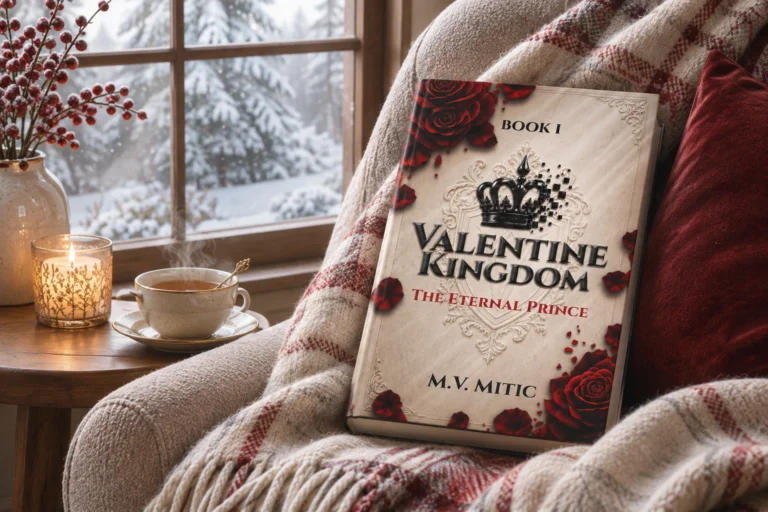
Holiday travel often involves packing more things than expected. Clothes, gifts, personal belongings and everything else compete for limited space. Whether somebody…
 November 11, 2026
December seems like an attractive month to release a book. People are shopping for Christmas gifts, spending more time indoors and looking…
 November 11, 2026
Every winter, online stores begin advertising seasonal discounts, limited-time offers and holiday promotions. Books are no exception. A lower price can make…
 November 11, 2026
Holiday shopping has become increasingly dominated by electronics, subscriptions and products that often disappear from attention shortly after they are purchased. Every…
November 11, 2026Somewhere along the way, reading seems to have become another activity people are encouraged to measure. How many books have you finished?…
November 11, 2026People often talk about reading goals as though finishing more books automatically means becoming a better reader. Read fifty books this year,…
November 11, 2026Digital reading has made books more accessible than ever. We can carry entire libraries on our phones, purchase ebooks almost instantly and…
November 11, 2026Have you ever noticed how much easier it is to enjoy a book when your surroundings feel comfortable? I think the environment…
November 11, 2026The beginning of a new year often creates pressure to make ambitious resolutions. Write an entire novel, publish several books, build a…
November 11, 2026Christmas attracts enormous attention from retailers, publishers and businesses offering seasonal promotions. Throughout December, customers encounter discounted products, gift recommendations and advertisements…
November 11, 2026Holiday travel often involves packing more things than expected. Clothes, gifts, personal belongings and everything else compete for limited space. Whether somebody…
November 11, 2026December seems like an attractive month to release a book. People are shopping for Christmas gifts, spending more time indoors and looking…
November 11, 2026Every winter, online stores begin advertising seasonal discounts, limited-time offers and holiday promotions. Books are no exception. A lower price can make…
November 11, 2026Holiday shopping has become increasingly dominated by electronics, subscriptions and products that often disappear from attention shortly after they are purchased. Every…
Add the M.V. Mitic app to your device and start reading.