 October 25, 2026
A Halloween Reading Night for Two
A reading night for two sounds like a good Halloween plan to me because it leaves room for both company and quiet.…

A book may begin as a personal creative project, but once it starts generating revenue the business side becomes difficult to ignore. Authors can earn from ebooks, printed books, advertising, licensing, memberships, merchandise and other digital products. At some point it becomes worth asking whether all of that should continue under the individual creator or operate through a separate business structure such as an LLC.
Operating personally is usually simpler. There may be fewer accounts, fewer company records and less administration to manage. For someone publishing their first book or testing whether a creative business can produce meaningful income, that simplicity can be useful.
The tradeoff is that the creator and the commercial activity remain closely connected. Payments, expenses, contracts and potential liabilities may all sit under the same personal structure depending on the country and circumstances. That may not matter much at the beginning, but it becomes increasingly important as revenue, contracts and business activity grow.
A company can create a clearer operational boundary between the creator and the business. Publishing revenue can enter a business account, advertising expenses can be tracked separately, contractors can work with the company and commercial agreements can be organized around a defined legal entity.
For authors building larger intellectual property, this can become especially useful. A successful book series can eventually involve trademarks, websites, licensing, merchandise, digital platforms, advertising and other business activities that go well beyond simply receiving book royalties.
An LLC does not automatically remove tax obligations or make someone immune from liability. Tax treatment, legal protection and reporting requirements depend on the jurisdiction, the owner and how the company actually operates. Once meaningful revenue is involved, professional legal and tax advice becomes much more important than relying on general information online.
The more useful question is not simply whether an author needs an LLC today. It is what the author expects the business to become.
Someone publishing occasionally may prefer simplicity. Someone building a long-term publishing brand, intellectual property portfolio or larger commercial operation may eventually benefit from stronger separation between the individual and the business.
I prefer thinking about structure early because reorganizing a growing business later can be much more complicated than designing it properly while it is still small.
October 25, 2026A reading night for two sounds like a good Halloween plan to me because it leaves room for both company and quiet.…
 October 25, 2026
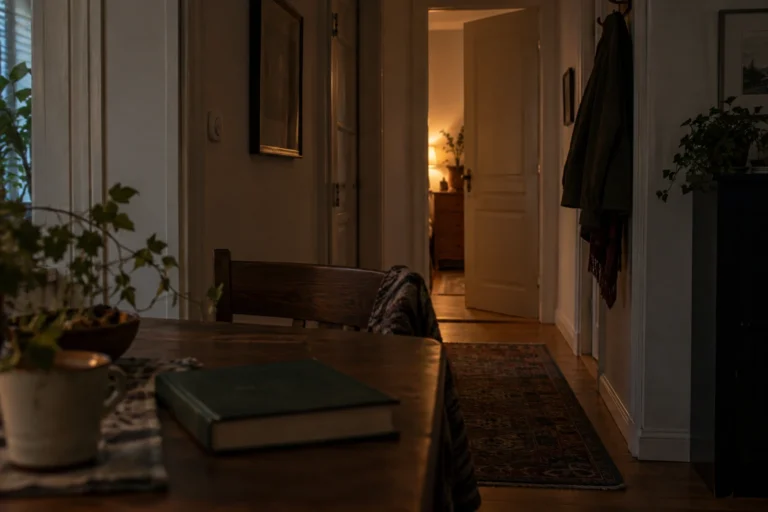
An ordinary room can become surprisingly unfamiliar after dark. During the day, I can see its edges, its furniture, and whatever is…
 October 25, 2026
When I imagine a gothic reading corner, I think about somewhere I would genuinely want to spend an evening. A comfortable chair,…
 October 25, 2026
There is a version of Halloween I like that involves very little preparation. A comfortable room, something good to read, a warm…
 October 20, 2026
One of the first things new authors encounter when preparing a book for publication is the ISBN. It appears on printed books,…
 October 20, 2026
Choosing the right book title can be surprisingly difficult. A title needs to fit the story, appeal to potential readers and remain…
 October 20, 2026
Finishing a manuscript can take months or years, so receiving an offer from a publisher is understandably exciting. Somebody wants to publish…
 October 20, 2026
A book cover is one of the first things a potential reader notices. Before somebody reads the description or opens the first…
 October 20, 2026
There are plenty of reasons why an author might prefer publishing under a different name. Some want privacy, others want a name…
 October 9, 2026
One thing I have never liked about social media is that having followers does not necessarily mean being able to reach those…
October 25, 2026A reading night for two sounds like a good Halloween plan to me because it leaves room for both company and quiet.…
October 25, 2026An ordinary room can become surprisingly unfamiliar after dark. During the day, I can see its edges, its furniture, and whatever is…
October 25, 2026When I imagine a gothic reading corner, I think about somewhere I would genuinely want to spend an evening. A comfortable chair,…
October 25, 2026There is a version of Halloween I like that involves very little preparation. A comfortable room, something good to read, a warm…
October 20, 2026One of the first things new authors encounter when preparing a book for publication is the ISBN. It appears on printed books,…
October 20, 2026Choosing the right book title can be surprisingly difficult. A title needs to fit the story, appeal to potential readers and remain…
October 20, 2026Finishing a manuscript can take months or years, so receiving an offer from a publisher is understandably exciting. Somebody wants to publish…
October 20, 2026A book cover is one of the first things a potential reader notices. Before somebody reads the description or opens the first…
October 20, 2026There are plenty of reasons why an author might prefer publishing under a different name. Some want privacy, others want a name…
October 9, 2026One thing I have never liked about social media is that having followers does not necessarily mean being able to reach those…

Add the M.V. Mitic app to your device and start reading.