 October 25, 2026
A Halloween Reading Night for Two
A reading night for two sounds like a good Halloween plan to me because it leaves room for both company and quiet.…
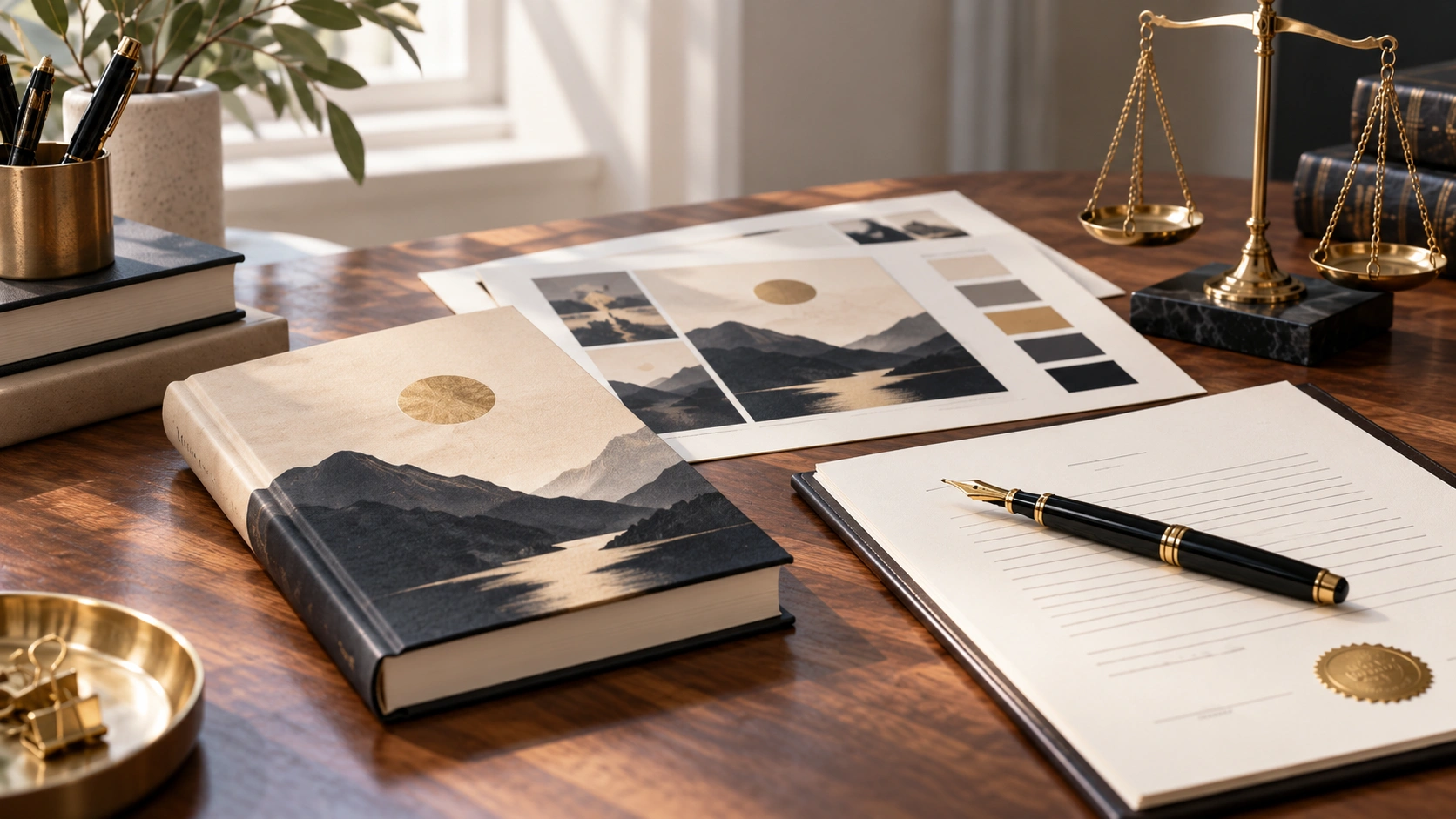
A book cover is one of the first things a potential reader notices. Before somebody reads the description or opens the first chapter, the cover has already created an impression of the story.
For that reason, authors often spend considerable time and money finding the right design. But there’s one question that deserves more attention than it usually receives: when you pay somebody to create a cover, do you actually own it?
The answer depends on the agreement and the law that applies.
Under US copyright law, the person who creates an original illustration or design is generally its initial copyright owner, unless a valid exception applies. Paying a freelance designer doesn’t automatically transfer the copyright to the customer.
The agreement might give an author permission to use the artwork on a particular book. It might permit advertising, printed editions and digital distribution. Or it might transfer ownership of the original design altogether.
These are different arrangements, and the distinction can become important later.
Imagine commissioning a cover for a paperback, then deciding to use the artwork on merchandise, collector editions, promotional posters or an international advertising campaign. A license that was sufficient for the original paperback might not cover every additional use.
That is why I would rather establish the rights before paying for a finished design than discover restrictions after the book has already been released.
A clear agreement should explain what the author is purchasing. That includes whether the artwork is licensed or assigned, which commercial uses are permitted, whether modifications are allowed and whether the designer can reuse the design for other customers.
It is also worth asking about the individual elements inside the cover. Stock photographs, illustrations, fonts and other third-party materials may carry their own licensing restrictions. Even if the designer created the final composition, that doesn’t necessarily mean every element can be used without limitations.
In the United States, copyright transfers generally require a signed written agreement, while the rules surrounding commissioned works made for hire are more specific than simply labeling an invoice that way.
For an author planning to build a series, these details matter. A cover may eventually be adapted for several formats, languages or special editions.
I prefer treating book covers as part of a larger publishing identity rather than as disposable advertisements. A consistent visual style can connect several books and make a series recognizable even before readers notice the author’s name.
But a strong brand should also be built on clear permissions.
There is nothing wrong with licensing artwork instead of owning it outright. Sometimes a commercial license is all an author needs, and it may be considerably less expensive.
The important thing is understanding what that license allows.
A beautiful cover is valuable because it attracts readers. A cover with clearly documented rights is valuable because an author can use it confidently.
For anyone planning to publish more than one book, I think both deserve equal attention.
October 25, 2026A reading night for two sounds like a good Halloween plan to me because it leaves room for both company and quiet.…
 October 25, 2026
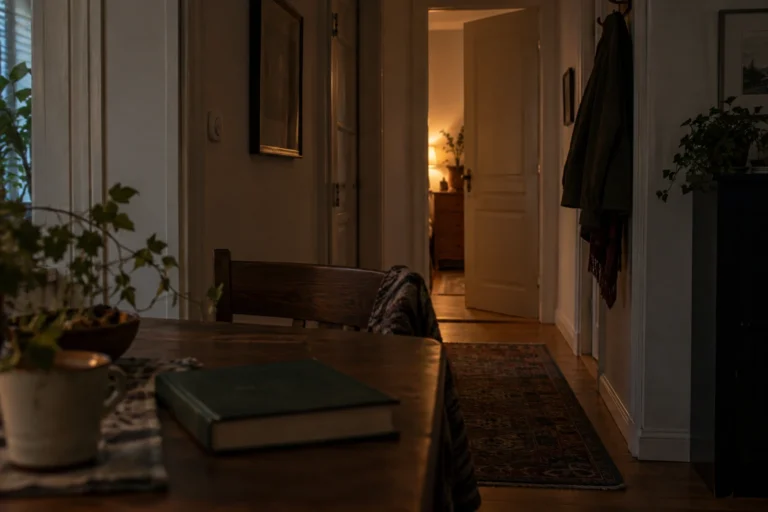
An ordinary room can become surprisingly unfamiliar after dark. During the day, I can see its edges, its furniture, and whatever is…
 October 25, 2026
When I imagine a gothic reading corner, I think about somewhere I would genuinely want to spend an evening. A comfortable chair,…
 October 25, 2026
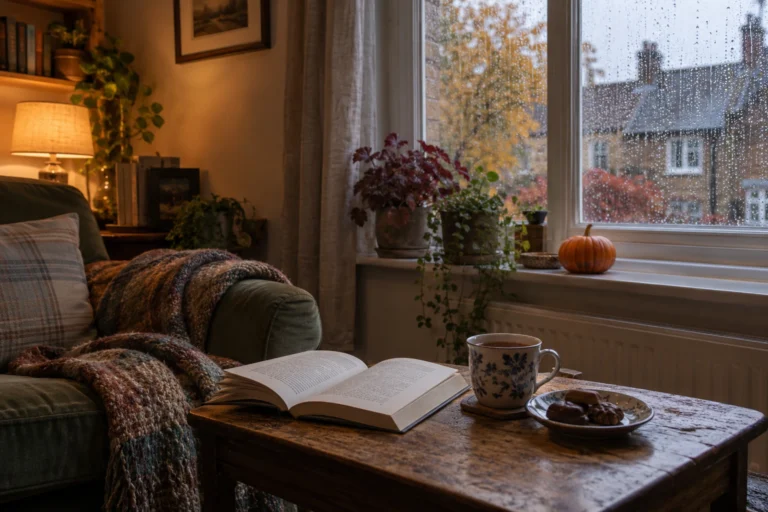
There is a version of Halloween I like that involves very little preparation. A comfortable room, something good to read, a warm…
 October 20, 2026
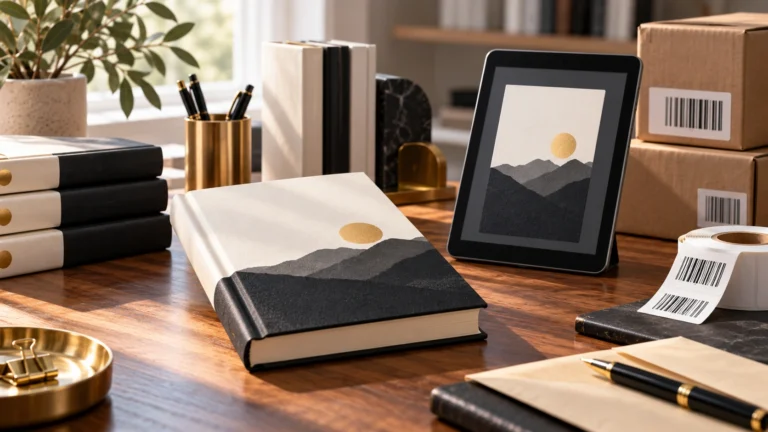
One of the first things new authors encounter when preparing a book for publication is the ISBN. It appears on printed books,…
 October 20, 2026
Choosing the right book title can be surprisingly difficult. A title needs to fit the story, appeal to potential readers and remain…
 October 20, 2026
Finishing a manuscript can take months or years, so receiving an offer from a publisher is understandably exciting. Somebody wants to publish…
 October 20, 2026
There are plenty of reasons why an author might prefer publishing under a different name. Some want privacy, others want a name…
 October 9, 2026
One thing I have never liked about social media is that having followers does not necessarily mean being able to reach those…
 October 9, 2026
When I first started using Google Search Console, it looked like another technical dashboard full of graphs, statuses and numbers. After spending…
October 25, 2026A reading night for two sounds like a good Halloween plan to me because it leaves room for both company and quiet.…
October 25, 2026An ordinary room can become surprisingly unfamiliar after dark. During the day, I can see its edges, its furniture, and whatever is…
October 25, 2026When I imagine a gothic reading corner, I think about somewhere I would genuinely want to spend an evening. A comfortable chair,…
October 25, 2026There is a version of Halloween I like that involves very little preparation. A comfortable room, something good to read, a warm…
October 20, 2026One of the first things new authors encounter when preparing a book for publication is the ISBN. It appears on printed books,…
October 20, 2026Choosing the right book title can be surprisingly difficult. A title needs to fit the story, appeal to potential readers and remain…
October 20, 2026Finishing a manuscript can take months or years, so receiving an offer from a publisher is understandably exciting. Somebody wants to publish…
October 20, 2026There are plenty of reasons why an author might prefer publishing under a different name. Some want privacy, others want a name…
October 9, 2026One thing I have never liked about social media is that having followers does not necessarily mean being able to reach those…
October 9, 2026When I first started using Google Search Console, it looked like another technical dashboard full of graphs, statuses and numbers. After spending…

Add the M.V. Mitic app to your device and start reading.