 October 25, 2026
A Halloween Reading Night for Two
A reading night for two sounds like a good Halloween plan to me because it leaves room for both company and quiet.…
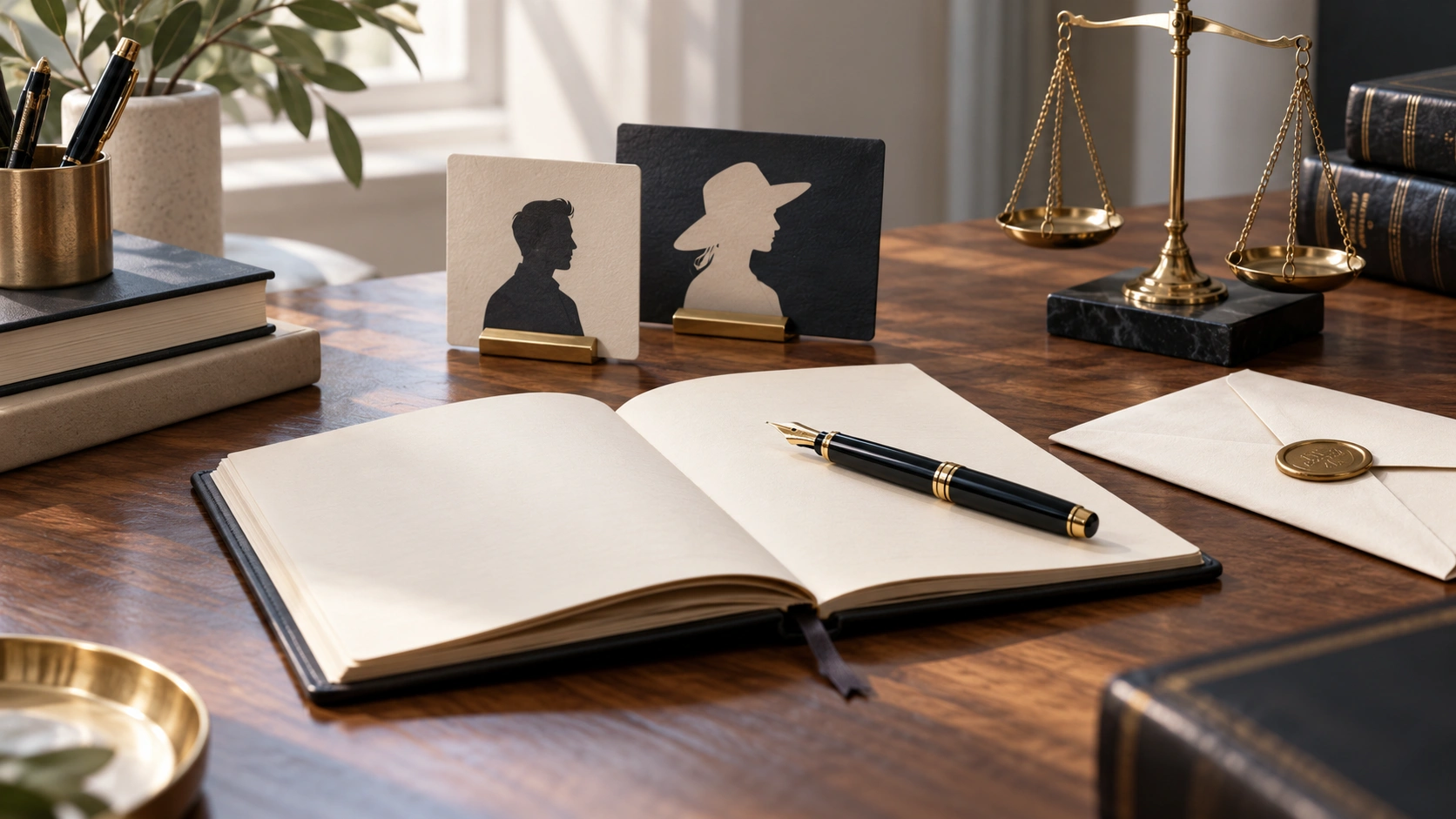
There are plenty of reasons why an author might prefer publishing under a different name. Some want privacy, others want a name that better suits their genre, and some simply prefer keeping their writing separate from their personal lives.
Personally, I think an author’s name should be treated as part of their publishing identity. It appears on covers, websites, advertisements and everything readers eventually associate with their books. But before choosing a pen name, there are a few practical and legal details worth understanding.
In general, authors can publish under a pen name. A pseudonym is simply another name used to identify the creator publicly. It doesn’t automatically create a separate legal person, and it doesn’t mean the author loses copyright protection over the work.
Under US copyright law, original writing generally receives copyright protection once it is created and fixed in a tangible form. The author doesn’t need to publish under their legal name for that protection to exist. The US Copyright Office also allows qualifying pseudonymous works to be registered under a pen name, although the information provided during registration can affect privacy and the applicable copyright term.
There is an important difference between putting a pen name on a book cover and using that name for business. Publishing contracts, payment processors, banking arrangements and tax records may still require the author’s legal identity or the details of a registered business.
A pen name can protect a public identity to some extent, but it should never be mistaken for complete anonymity.
I think consistency matters more than trying to invent the most unusual name possible. A reader should be able to recognize the author on a book cover, find the official website and discover other titles without wondering whether they belong to the same person.
Before settling on a pen name, it makes sense to search for existing authors, publishers and trademarks using something similar. A name that appears unique at first might already belong to a well-established writer or business. That can create confusion long before any legal disagreement arises.
It is also worth checking domain availability and social media usernames. None of these things automatically establish legal rights to a name, but they make it easier to build a recognizable identity.
A pen name can become commercially valuable over time. That doesn’t mean every new writer needs a trademark immediately. It means an author should consider how the name might be used beyond the first book.
I would rather choose one publishing identity carefully and build around it for years than repeatedly change names whenever a new idea appears.
Of course, authors working in different genres may have good reasons to use multiple names. A writer publishing children’s stories and adult horror novels might prefer separate public identities.
The important thing is knowing what each name represents and keeping the legal and commercial arrangements clear.
A pen name is not just something printed beneath a book title. Given enough time, it can become an identity that readers recognize, trust and return to.
And that makes it worth choosing carefully.
October 25, 2026A reading night for two sounds like a good Halloween plan to me because it leaves room for both company and quiet.…
 October 25, 2026
An ordinary room can become surprisingly unfamiliar after dark. During the day, I can see its edges, its furniture, and whatever is…
 October 25, 2026
When I imagine a gothic reading corner, I think about somewhere I would genuinely want to spend an evening. A comfortable chair,…
 October 25, 2026
There is a version of Halloween I like that involves very little preparation. A comfortable room, something good to read, a warm…
 October 20, 2026
One of the first things new authors encounter when preparing a book for publication is the ISBN. It appears on printed books,…
 October 20, 2026
Choosing the right book title can be surprisingly difficult. A title needs to fit the story, appeal to potential readers and remain…
 October 20, 2026
Finishing a manuscript can take months or years, so receiving an offer from a publisher is understandably exciting. Somebody wants to publish…
 October 20, 2026
A book cover is one of the first things a potential reader notices. Before somebody reads the description or opens the first…
 October 9, 2026
One thing I have never liked about social media is that having followers does not necessarily mean being able to reach those…
 October 9, 2026
When I first started using Google Search Console, it looked like another technical dashboard full of graphs, statuses and numbers. After spending…
October 25, 2026A reading night for two sounds like a good Halloween plan to me because it leaves room for both company and quiet.…
October 25, 2026An ordinary room can become surprisingly unfamiliar after dark. During the day, I can see its edges, its furniture, and whatever is…
October 25, 2026When I imagine a gothic reading corner, I think about somewhere I would genuinely want to spend an evening. A comfortable chair,…
October 25, 2026There is a version of Halloween I like that involves very little preparation. A comfortable room, something good to read, a warm…
October 20, 2026One of the first things new authors encounter when preparing a book for publication is the ISBN. It appears on printed books,…
October 20, 2026Choosing the right book title can be surprisingly difficult. A title needs to fit the story, appeal to potential readers and remain…
October 20, 2026Finishing a manuscript can take months or years, so receiving an offer from a publisher is understandably exciting. Somebody wants to publish…
October 20, 2026A book cover is one of the first things a potential reader notices. Before somebody reads the description or opens the first…
October 9, 2026One thing I have never liked about social media is that having followers does not necessarily mean being able to reach those…
October 9, 2026When I first started using Google Search Console, it looked like another technical dashboard full of graphs, statuses and numbers. After spending…
Add the M.V. Mitic app to your device and start reading.