 October 25, 2026
A Halloween Reading Night for Two
A reading night for two sounds like a good Halloween plan to me because it leaves room for both company and quiet.…

An author website can start very small, but that does not mean the hosting should be treated as an afterthought. Once a website handles articles, reader accounts, digital products, payments and advertising, it becomes part of the business itself. I prefer building the hosting around reliability first and then increasing capacity only when traffic actually requires it. There is little reason to pay for huge infrastructure while a website is small, but there is also little reason to stay on weak hosting once the website begins generating real traffic and revenue.
For a new author website, good shared hosting can be enough. Most pages are relatively lightweight, and proper caching can reduce how often the server has to generate the same content repeatedly. Images should also be compressed and served in modern formats so the website is not wasting bandwidth loading unnecessarily large files.
As the website grows, the important distinction becomes static and dynamic traffic. Articles, homepages and informational pages can usually be cached heavily. Accounts, checkout pages, customer libraries and other personalized areas require more server processing. A website with thousands of visitors reading cached articles can therefore behave very differently from one with thousands of customers constantly using dynamic features.
This is why I would rather upgrade based on actual server usage than simply visitor numbers.
When shared hosting becomes restrictive, a managed VPS is a logical next step. It provides dedicated resources and more control without requiring the owner to become a full-time server administrator. For an author business, I would rather pay for managed infrastructure and spend my time creating than spend hours manually maintaining a server.
A CDN can handle another part of the workload by delivering static files such as images, CSS and JavaScript closer to visitors. Caching can then keep frequently requested pages away from the main server whenever possible. Combined properly, the website can remain relatively lightweight even as traffic grows.
Performance also depends on the website itself. Buying a larger server will not completely fix oversized images, unnecessary scripts, excessive plugins or poorly optimized pages. I prefer keeping the software stack small and making each component justify its existence.
Hosting is not only about speed. An author business can eventually contain customer accounts, purchases, articles, reader access and years of work. Losing that data would be considerably more expensive than paying for proper backups.
I prefer having automatic backups separate from the live website, reliable SSL, strong account security and a recovery plan that has already been considered before something goes wrong. Updates should also be managed carefully because a website that loads in half a second is not useful if an update suddenly breaks checkout.
For me, the ideal hosting setup is therefore fairly simple: reliable hosting, strong caching, optimized images, a CDN where useful, independent backups and enough server capacity for the traffic actually being generated.
The objective is not to own the biggest server.
It is to build infrastructure that quietly works while the author focuses on the business.
October 25, 2026A reading night for two sounds like a good Halloween plan to me because it leaves room for both company and quiet.…
 October 25, 2026
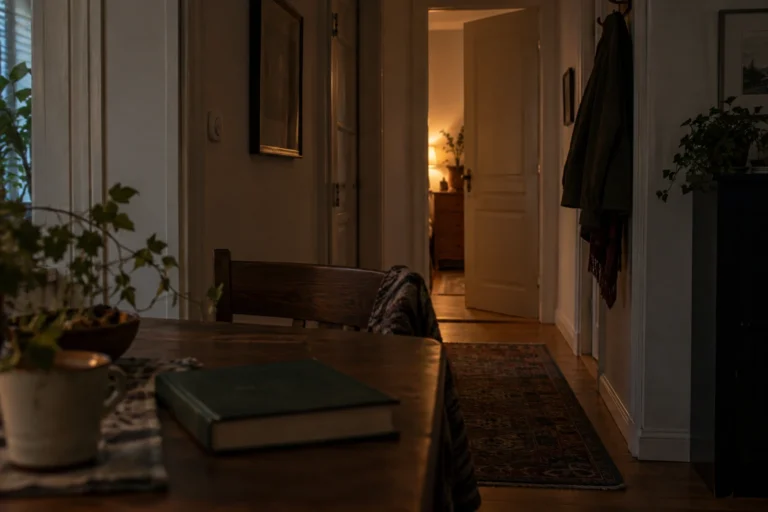
An ordinary room can become surprisingly unfamiliar after dark. During the day, I can see its edges, its furniture, and whatever is…
 October 25, 2026
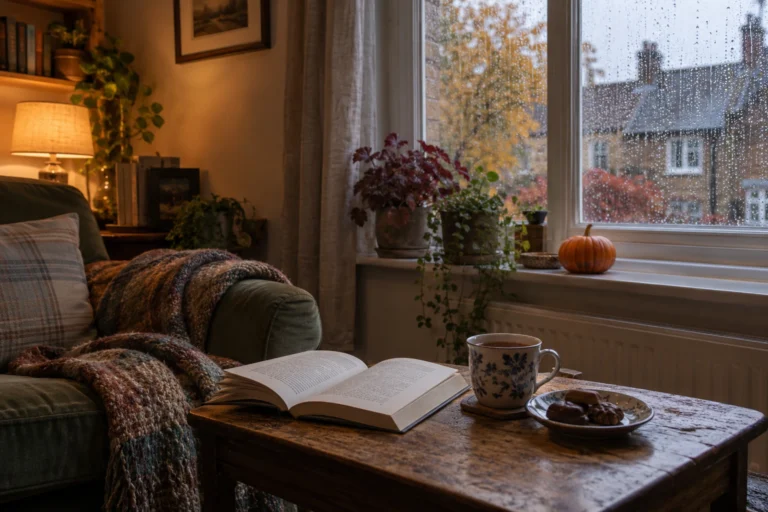
When I imagine a gothic reading corner, I think about somewhere I would genuinely want to spend an evening. A comfortable chair,…
 October 25, 2026
There is a version of Halloween I like that involves very little preparation. A comfortable room, something good to read, a warm…
 October 20, 2026
One of the first things new authors encounter when preparing a book for publication is the ISBN. It appears on printed books,…
 October 20, 2026
Choosing the right book title can be surprisingly difficult. A title needs to fit the story, appeal to potential readers and remain…
 October 20, 2026
Finishing a manuscript can take months or years, so receiving an offer from a publisher is understandably exciting. Somebody wants to publish…
 October 20, 2026
A book cover is one of the first things a potential reader notices. Before somebody reads the description or opens the first…
 October 20, 2026
There are plenty of reasons why an author might prefer publishing under a different name. Some want privacy, others want a name…
 October 9, 2026
One thing I have never liked about social media is that having followers does not necessarily mean being able to reach those…
October 25, 2026A reading night for two sounds like a good Halloween plan to me because it leaves room for both company and quiet.…
October 25, 2026An ordinary room can become surprisingly unfamiliar after dark. During the day, I can see its edges, its furniture, and whatever is…
October 25, 2026When I imagine a gothic reading corner, I think about somewhere I would genuinely want to spend an evening. A comfortable chair,…
October 25, 2026There is a version of Halloween I like that involves very little preparation. A comfortable room, something good to read, a warm…
October 20, 2026One of the first things new authors encounter when preparing a book for publication is the ISBN. It appears on printed books,…
October 20, 2026Choosing the right book title can be surprisingly difficult. A title needs to fit the story, appeal to potential readers and remain…
October 20, 2026Finishing a manuscript can take months or years, so receiving an offer from a publisher is understandably exciting. Somebody wants to publish…
October 20, 2026A book cover is one of the first things a potential reader notices. Before somebody reads the description or opens the first…
October 20, 2026There are plenty of reasons why an author might prefer publishing under a different name. Some want privacy, others want a name…
October 9, 2026One thing I have never liked about social media is that having followers does not necessarily mean being able to reach those…

Add the M.V. Mitic app to your device and start reading.