 November 11, 2026
Is Reading One Chapter Every Evening Enough?
People often talk about reading goals as though finishing more books automatically means becoming a better reader. Read fifty books this year,…
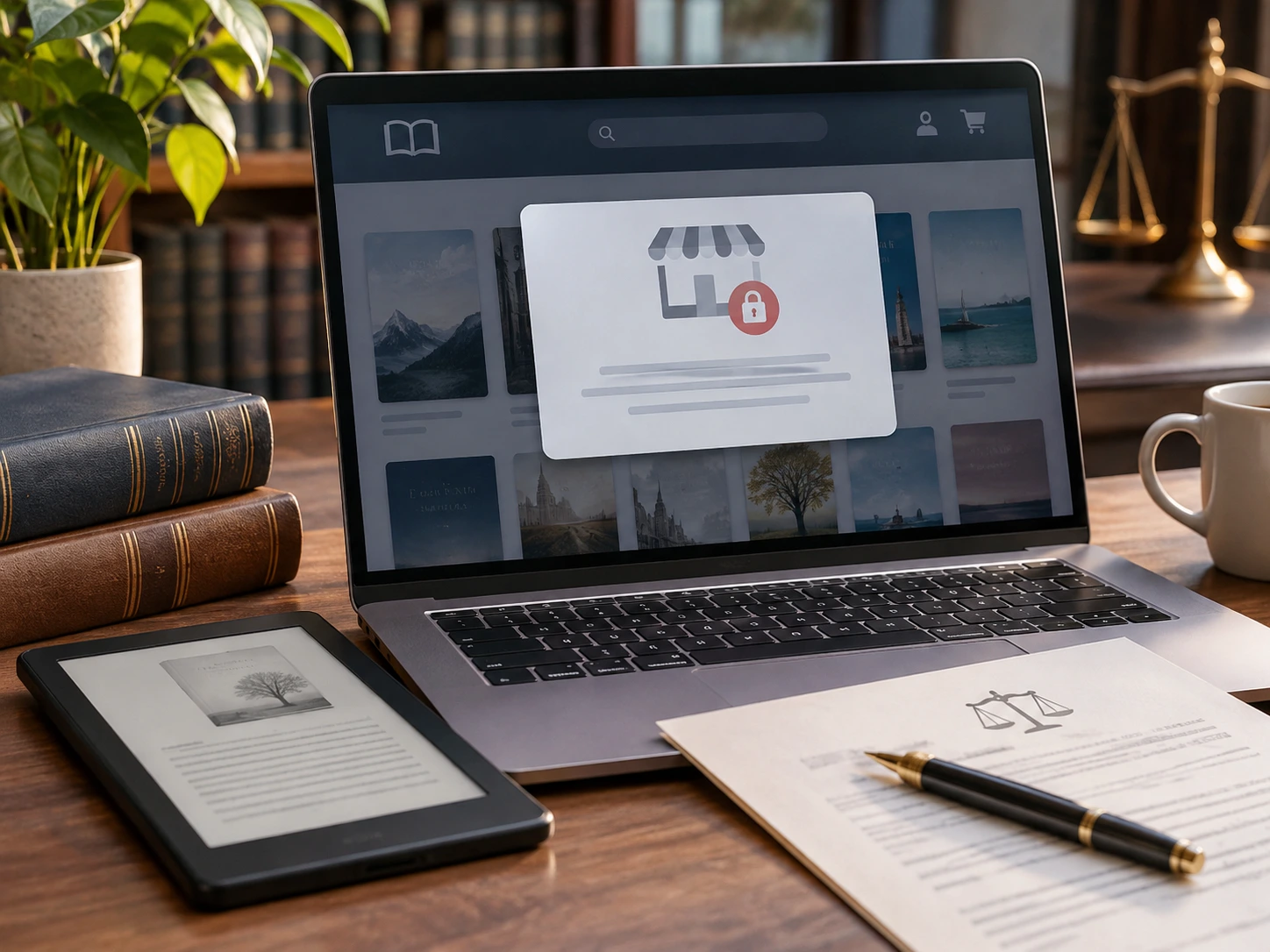
Digital books are often described as convenient because they do not require physical storage, shipping or traditional bookstore shelves. Readers can purchase a book and begin reading almost immediately, sometimes without leaving the application or website they already use. An entire collection of novels can exist on a phone, tablet or dedicated reading device, making digital publishing particularly attractive for people who travel frequently or prefer not to maintain large physical libraries.
But there is an interesting question behind that convenience. What happens when the digital bookstore, reading application or online platform responsible for delivering the book eventually disappears? A physical novel can remain on a shelf long after the bookstore that sold it closes. Digital books are more complicated because access may depend on software, accounts, licensing arrangements and services maintained by another company. I think this distinction deserves more attention, especially as readers gradually build collections of purchased digital titles.
When a digital bookstore closes, the consequences depend on how the business operates and how its books were originally delivered. Some services allow customers to download compatible ebook files that remain accessible without returning to the original storefront. Others primarily provide reading access through proprietary applications, online accounts or systems that require continued support from the company.
A responsible platform may announce its closure in advance and provide instructions explaining what customers can do with their existing libraries. It might allow additional downloads, offer a migration arrangement or transfer certain services to another company. However, I would not assume that every provider can or will offer those options. Business closures can involve financial difficulties, contractual restrictions and technical complications that prevent a simple transition.
For me, the important distinction is between purchasing access to a digital book and having a copy that can continue functioning independently of the original seller. Both arrangements can provide an enjoyable reading experience while the service operates normally, but they may produce very different outcomes when the company disappears.
Digital book ownership is more complicated than the familiar experience of purchasing a printed novel. When someone buys a physical book, they generally receive a tangible copy that can be kept, stored or transferred subject to applicable law. Digital purchases often involve contractual arrangements defining how the customer may access and use the content.
Some ebooks are sold as downloadable files, while others are provided through licenses tied to particular accounts, devices or applications. A customer may pay a one-time amount without receiving unrestricted ownership of the underlying copyrighted work. That does not necessarily make the purchase misleading, but I think the distinction should be explained clearly.
Personally, I would want to understand whether a digital book can be downloaded, whether it requires an active account and whether continued access depends on the seller’s platform. These questions may seem unimportant when everything works perfectly, but they become much more relevant if the service eventually changes or shuts down. A clear purchasing arrangement benefits readers because they know what they are receiving rather than making assumptions based on the word buy.
One advantage of a downloadable ebook is that the reader may be able to retain a local copy after the original bookstore closes. Depending on the file format, licensing terms and any digital rights restrictions, that copy may remain usable through compatible reading software without requiring continued access to the original retailer.
I think this is an important practical benefit. A reader who downloads an ebook and stores it safely may not need to depend on the storefront every time they want to open the book. However, the existence of a downloaded file does not automatically guarantee permanent access. Some files depend on account authorization, specialized software or encryption systems that may eventually become unavailable.
There is also the ordinary problem of digital storage. A file can be accidentally deleted, a device can fail or an older format may become difficult to open through modern applications. For me, downloadable ebooks provide useful independence, but preserving them still requires some attention. Digital files do not deteriorate like paper, yet the technology needed to access them can change over time.
An online reading library offers a different experience from purchasing a downloadable ebook. Instead of transferring a file to the customer, the platform may provide access through a website or application. Readers sign into their accounts, choose a purchased title and continue reading through the system maintained by the provider.
I find this model appealing because it can simplify the reading experience. A customer may not need to manage file formats, install separate applications or transfer documents between devices. The library can provide a consistent interface, maintain reading progress and make purchased titles available through a familiar account.
However, that convenience creates a dependency. If the website becomes unavailable or the service closes, readers may lose access unless another arrangement has been established. I think this is why online reading platforms should be transparent about how purchases work. A reader should understand whether they are receiving downloadable content or account-based access. Neither arrangement is automatically inappropriate, but the difference matters when considering long-term availability.
A digital bookstore does not necessarily need to close for readers to experience access problems. A company may discontinue a particular application, stop supporting older devices or change the technology used to deliver books. An ebook that remains available through one system might become difficult to open through another.
I think this is one of the less obvious risks of digital publishing. Technology changes continuously, and services that appear familiar today may eventually be replaced. Operating systems receive updates, devices become outdated and software developers sometimes discontinue products that are no longer commercially worthwhile.
Readers using widely supported file formats may have more options when changing devices or applications, while proprietary systems can create additional dependencies. However, compatibility also depends on licensing and technical restrictions. For me, the useful question is not whether a particular reading application will exist forever. It is whether the content can remain accessible when the technology surrounding it changes.
Digital rights management, commonly called DRM, can be used to control how ebooks are accessed, copied or transferred. Publishers may use these systems to enforce licensing conditions and limit unauthorized distribution. However, DRM can also influence whether a purchased ebook remains usable when the original platform or authorization service becomes unavailable.
For example, a digital file might be stored on a reader’s device but still depend on an account or authorization mechanism to open correctly. If that supporting system is discontinued, the file may become difficult or impossible to access through ordinary permitted methods. Other ebooks use fewer technical restrictions and may be compatible with a broader selection of reading applications.
I think this creates a balance between protecting commercial distribution and providing a convenient customer experience. Authors have legitimate interests in controlling how their work is distributed, while readers reasonably value dependable access to books they have purchased. There is no single arrangement that suits every publisher, but I prefer approaches that explain restrictions clearly rather than leaving customers to discover them after a problem occurs.
Recovery depends on the platform’s arrangements and whether the content can be transferred or downloaded. Some companies may provide customers with a limited period to save eligible purchases before shutting down. Others might arrange for existing libraries to become accessible through a replacement service, subject to technical and contractual requirements.
However, migration is not always straightforward. Different reading platforms may use incompatible formats, account systems or licensing arrangements. Even when another company acquires the business, it may not automatically obtain permission or the technical ability to continue providing every previously purchased book.
I think readers should avoid assuming that another bookstore will necessarily honor purchases made through a company that no longer exists. A digital library can contain hundreds of titles, but the ability to transfer those purchases depends on the actual terms and systems involved. For me, the most valuable approach is understanding the delivery arrangement before purchasing rather than relying entirely on the possibility of recovery afterward.
Platform closures can affect authors as well as readers. An independent author may rely on a digital bookstore to introduce new customers, distribute books and process sales. If the service disappears, the author may lose a distribution channel that previously generated revenue.
The consequences depend on the publishing agreement. An author who retains the necessary publishing rights may be able to distribute the same work elsewhere, although existing contractual obligations and technical arrangements still need to be considered. A different situation can arise when the publisher or distributor holds exclusive rights or when access to important records depends on the closing company.
I think this demonstrates why independent authors should understand their distribution arrangements rather than focus entirely on the number of available storefronts. A platform can provide valuable access to customers, but it should not automatically become the only place where the author maintains important publishing files, business records or information about the work. Keeping independent copies of manuscripts, cover artwork and production materials can make future changes considerably easier.
Selling books through an independent author website can provide greater control over pricing, presentation and the customer experience. Instead of relying entirely on an external retailer’s product pages, the author can build a publishing environment around their own books, articles and future releases.
I think this is particularly attractive for authors developing continuing series. A dedicated website can introduce readers to the fictional world, provide sample chapters and make additional books available as the catalogue grows. The author can maintain a recognizable publishing identity without depending exclusively on another company’s storefront design or promotional priorities.
However, direct distribution does not remove technical responsibilities. The website still requires hosting, domain registration, maintenance, backups and a reliable payment or access system. The author also remains responsible for delivering the service promised to customers. For me, the advantage is not that independent websites are immune to failure. It is that the author has more influence over how the publishing platform operates and how it can be maintained or moved when necessary.
An author’s own website is not automatically more permanent than a commercial digital bookstore. Hosting companies can close, domains can expire, software can become outdated and technical failures can interrupt access. A website owner who relies entirely on one hosting account without keeping backups may face many of the same problems as customers depending on an external reading platform.
I think this is an important distinction because independence should not be confused with invulnerability. Owning the website’s content and controlling the publishing arrangement provides flexibility, but maintaining the infrastructure still requires planning. Complete backups, recoverable databases and access to the domain can help an author move to another hosting provider when necessary.
For an online reading library, preserving customer access information may be just as important as preserving the books themselves. A restored website that has lost its purchase records or membership permissions may not provide the same service to returning readers. For me, long-term access requires thinking about the entire reading system rather than simply retaining a copy of the manuscript.
Backups are often discussed in connection with website security, but I think they are equally important for preserving digital publishing operations. An independent author may have original manuscripts, edited editions, cover designs, audiobook files, product descriptions and website content stored across several services.
Losing access to those materials could create difficulties even when the author retains the underlying intellectual property rights. Rebuilding a completed ebook, reconstructing a customer library or recovering years of publishing records can require considerable time. Keeping organized copies outside the primary distribution service reduces dependence on any single provider.
The important part is ensuring that backups are usable. A file that cannot be opened or a database that cannot be restored offers less protection than expected. I prefer the idea of maintaining enough information to continue the publishing business elsewhere if necessary. The objective is not anticipating disaster every day, but making sure that a technical failure does not erase work that has already been completed.
A digital book can be available today without any guarantee that the same delivery method will exist indefinitely. This is true for individual retailers, subscription services and independent online libraries. Technology changes, companies reorganize and business priorities evolve.
I think readers benefit from understanding the difference between immediate access and long-term preservation. A platform may provide an excellent reading experience while it operates, but the continued availability of that experience depends on maintaining the supporting systems. Downloadable books may offer greater independence in some situations, while online libraries can provide convenience and consistent account-based access.
Neither model should automatically be described as permanent. For me, the responsible approach is making the purchasing arrangement understandable and maintaining the service as reliably as possible. Readers should not need to investigate complicated technical details simply to discover what they are buying.
Convenience is one of the strongest selling points of digital books, but I think trust is equally important. A reader may enjoy purchasing through an application because the process is fast and familiar. However, that experience becomes less attractive if the customer is uncertain about whether previously purchased titles will remain available.
Independent publishers face the same challenge. A digital storefront can look professional and provide a smooth checkout, but the relationship with customers continues after the payment is completed. Readers may return months or years later to revisit a favorite book or continue a series.
For me, a reliable publishing business should take those expectations seriously. That means explaining access conditions, maintaining the platform and avoiding promises that cannot realistically be guaranteed. A digital service does not need to claim that it will exist forever to provide genuine value. It does, however, need to communicate clearly what customers receive and what responsibilities the publisher is undertaking.
As an independent author, I find the relationship between digital ownership and long-term access particularly interesting. My objective is not simply to make a book available for a short promotional period. I prefer the idea of developing a publishing environment where readers can discover stories, return to their libraries and follow future releases through a recognizable website.
For Valentine Kingdom, that approach connects the books with the wider fictional world. The Eternal Prince introduces the series, while future publications can expand the catalogue. A dedicated platform allows the reader experience to develop alongside those releases, rather than requiring the entire publishing identity to exist only within a third-party bookstore.
However, I think the responsibility is just as important as the flexibility. Maintaining a digital library requires dependable infrastructure, accurate purchase records and a clear understanding of how customers receive access. The independence is valuable because it creates more control over the publishing system, not because it eliminates the possibility of technical or commercial problems.
A printed novel can survive for decades when stored appropriately, even if the bookstore or publisher that originally sold it no longer operates. Digital books do not face the same physical storage requirements, but they depend on technology that must remain compatible and accessible.
I find this distinction fascinating because digital content can be copied and stored efficiently, yet a purchased book may become inaccessible when a particular application or account system disappears. The problem is not necessarily the survival of the words themselves. It is whether the reader still has a permitted and practical way to open them.
For authors, preserving original publishing files and maintaining the ability to distribute their work through future systems can help protect the creative investment. For readers, understanding the available file formats and access arrangements provides a clearer picture of what a purchase includes. Digital preservation is therefore not only a technical subject. It is part of the relationship between creators, distributors and the people who purchase their work.
Ultimately, I think the possibility of a digital bookstore closing demonstrates that convenience and long-term access are different considerations. A platform may provide immediate purchases, attractive reading applications and extensive catalogues, but those features do not automatically guarantee that every book will remain accessible indefinitely.
The outcome of a closure depends on the delivery arrangement. Some readers may retain usable downloaded copies, while others may depend on migration options or the continued operation of proprietary systems. Authors may be able to move their books to another distributor, provided they retain the necessary rights and materials.
For me, the most important principle is transparency. Readers should understand whether they are purchasing downloadable files or account-based access, and authors should understand how much control they retain over distribution. Both sides benefit when those distinctions are clear before a problem occurs.
I prefer publishing arrangements that allow authors to maintain control over their creative work while providing readers with a dependable, understandable experience. An independent website can support that goal, but it must be maintained carefully and backed up appropriately.
A digital book does not occupy a physical shelf, yet preserving access to it still requires planning. The files, software, accounts and distribution systems surrounding the story all contribute to whether it remains available.
Technology will continue changing, and no company can guarantee permanent operation. What authors can do is avoid unnecessary dependence on a single provider, preserve their original work and communicate honestly about how their books are delivered.
For me, the lasting value of a novel lies in the story itself. The challenge of digital publishing is ensuring that the technology surrounding that story remains a useful means of reaching readers rather than becoming the reason they can no longer enjoy it.
November 11, 2026People often talk about reading goals as though finishing more books automatically means becoming a better reader. Read fifty books this year,…
 November 11, 2026
Digital reading has made books more accessible than ever. We can carry entire libraries on our phones, purchase ebooks almost instantly and…
 November 11, 2026
Have you ever noticed how much easier it is to enjoy a book when your surroundings feel comfortable? I think the environment…
 November 11, 2026
The beginning of a new year often creates pressure to make ambitious resolutions. Write an entire novel, publish several books, build a…
 November 11, 2026
Christmas attracts enormous attention from retailers, publishers and businesses offering seasonal promotions. Throughout December, customers encounter discounted products, gift recommendations and advertisements…
 November 11, 2026
Holiday travel often involves packing more things than expected. Clothes, gifts, personal belongings and everything else compete for limited space. Whether somebody…
 November 11, 2026
December seems like an attractive month to release a book. People are shopping for Christmas gifts, spending more time indoors and looking…
 November 11, 2026
Every winter, online stores begin advertising seasonal discounts, limited-time offers and holiday promotions. Books are no exception. A lower price can make…
 November 11, 2026
Holiday shopping has become increasingly dominated by electronics, subscriptions and products that often disappear from attention shortly after they are purchased. Every…
 November 11, 2026
There is something about winter that makes reading feel different from the rest of the year. The days become shorter, evenings arrive…
November 11, 2026People often talk about reading goals as though finishing more books automatically means becoming a better reader. Read fifty books this year,…
November 11, 2026Digital reading has made books more accessible than ever. We can carry entire libraries on our phones, purchase ebooks almost instantly and…
November 11, 2026Have you ever noticed how much easier it is to enjoy a book when your surroundings feel comfortable? I think the environment…
November 11, 2026The beginning of a new year often creates pressure to make ambitious resolutions. Write an entire novel, publish several books, build a…
November 11, 2026Christmas attracts enormous attention from retailers, publishers and businesses offering seasonal promotions. Throughout December, customers encounter discounted products, gift recommendations and advertisements…
November 11, 2026Holiday travel often involves packing more things than expected. Clothes, gifts, personal belongings and everything else compete for limited space. Whether somebody…
November 11, 2026December seems like an attractive month to release a book. People are shopping for Christmas gifts, spending more time indoors and looking…
November 11, 2026Every winter, online stores begin advertising seasonal discounts, limited-time offers and holiday promotions. Books are no exception. A lower price can make…
November 11, 2026Holiday shopping has become increasingly dominated by electronics, subscriptions and products that often disappear from attention shortly after they are purchased. Every…
November 11, 2026There is something about winter that makes reading feel different from the rest of the year. The days become shorter, evenings arrive…

Add the M.V. Mitic app to your device and start reading.