 November 11, 2026
Why I Think Reading Should Feel Like an Experience, Not a Task
Somewhere along the way, reading seems to have become another activity people are encouraged to measure. How many books have you finished?…
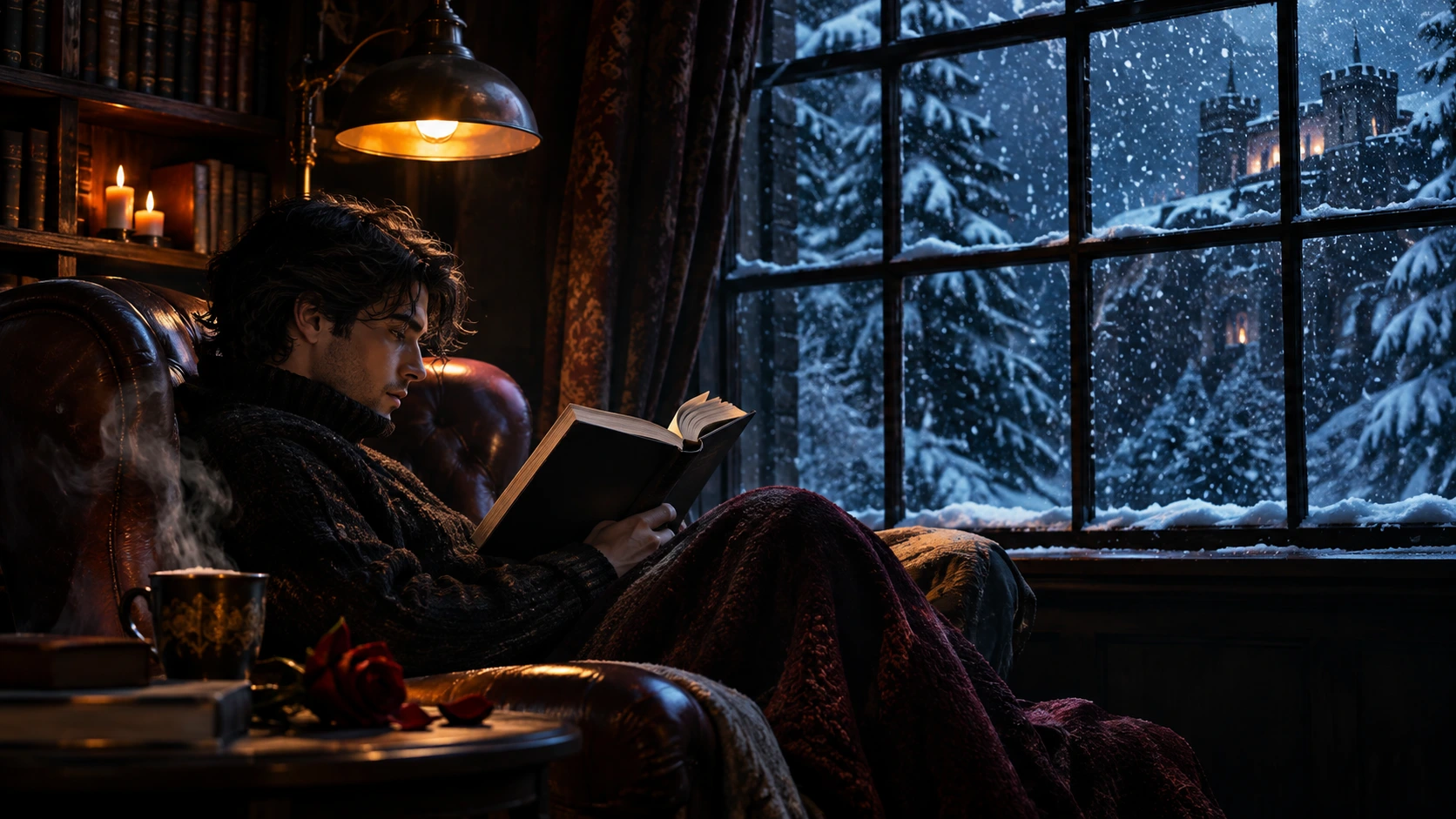
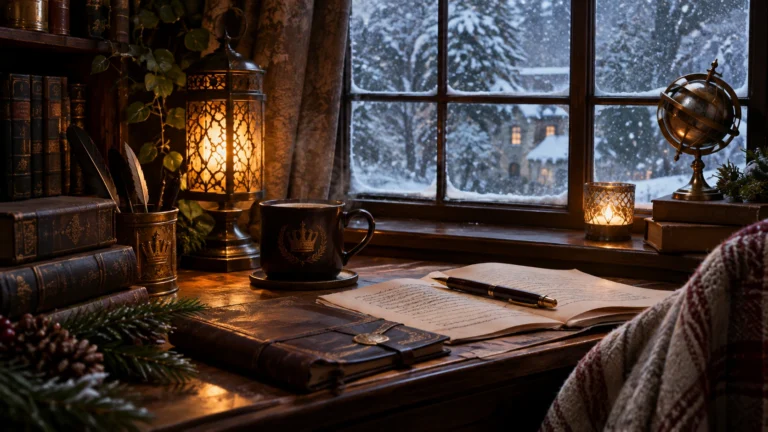
There is something about winter that makes reading feel different from the rest of the year. The days become shorter, evenings arrive earlier, and spending time indoors starts to feel more appealing. Outside, the streets may be covered in snow, the trees stand almost completely bare, and the familiar sounds of everyday life seem quieter. Inside, a comfortable chair, a warm room and a good book can suddenly become more inviting than almost anything else. I have always found it interesting how the same story can create a completely different experience depending on the environment around us.
A novel that feels ordinary during a busy summer afternoon might become far more atmospheric on a quiet winter evening. The words have not changed, and neither have the characters, yet the experience feels different. Perhaps it is the contrast between the cold outside and the warmth indoors, or simply the sense that the world has slowed down enough for us to concentrate. Whatever the reason, I think winter creates a particularly interesting relationship between readers and the fictional worlds they choose to explore. The season does not necessarily change the story, but it can change how we experience it.
Reading is often described as an escape, but I think the surroundings matter almost as much as the book itself. During winter, the contrast between a warm room and the cold outside can make a fictional world feel particularly immersive. Snowfall, rain against the windows, a comfortable chair or simply the absence of everyday noise can help create that atmosphere. These details may seem insignificant individually, but together they can make reading feel like an experience rather than just another way of passing the time.
Imagine sitting near a window while snow falls outside, reading about a traveller approaching an isolated castle. The fictional landscape begins to feel strangely connected to the real one. The cold described in the story is easier to imagine because it exists beyond the window, while the comfort of the room makes the fictional danger more enjoyable to experience from a distance. A similar effect can happen during heavy rain, particularly when a story takes place in an old village, a remote forest or a mysterious house. I find this connection fascinating because the atmosphere is partly created by the author and partly by the reader’s own surroundings.
Not every book needs a winter setting to benefit from this experience. A historical novel set in a distant kingdom, a mystery unfolding in an unfamiliar city or a fantasy adventure taking place in an entirely fictional world can feel equally engaging. The important part is having enough quiet and attention to become involved in the story. Winter often provides that opportunity naturally, particularly during evenings when there is little reason to rush somewhere else.
Certain genres seem particularly compatible with winter evenings, although everyone has different preferences. Fantasy often introduces distant kingdoms, ancient forests, castles and landscapes shaped by unfamiliar histories. Mystery creates questions that encourage readers to continue turning pages, while gothic fiction uses atmosphere, isolation and uncertainty to influence how a story feels. These elements can become especially vivid when the weather outside resembles something that might belong within the fictional setting.
I think winter makes isolation easier to imagine. A village surrounded by snow, a castle overlooking frozen mountains or a traveller crossing a dark forest can feel convincing because the season already suggests distance and difficulty. Even when a novel does not explicitly describe winter, the early darkness outside can make mysterious settings more memorable. A quiet room becomes a place from which to explore dangerous or unfamiliar worlds without leaving the comfort of home.
That is part of what interests me about fantasy fiction. The reader does not need to experience the world physically for it to feel meaningful. A fictional kingdom can become familiar through descriptions, characters and repeated visits across several books. The surrounding atmosphere may strengthen that experience, especially when reading becomes something uninterrupted and personal. For me, the appeal is not simply that winter makes darker stories more appropriate. It is that the season can make imagined places feel unusually present.
Snow can change the appearance of familiar places almost completely. Streets become quieter, ordinary buildings look different, and landscapes that seemed unremarkable during summer acquire a more mysterious character. I think this transformation helps explain why snowy evenings are so strongly associated with reading. The world outside already looks a little less familiar, making it easier to imagine stepping into somewhere entirely different.
There is also something appealing about the visual contrast. A warm interior against a cold landscape creates a distinct sense of separation between two environments. The reader is comfortable, but the world beyond the window appears distant and perhaps slightly inaccessible. When a novel describes mountains, forests or remote settlements, that contrast can reinforce the feeling of exploring a place far removed from everyday life.
Of course, snow is not necessary for a good winter reading experience. Many places experience winter through rain, wind, fog or simply colder temperatures and shorter days. I find rainy evenings equally atmospheric, particularly when the sound of water against the windows becomes a quiet background to the story. What matters is not achieving a particular appearance but noticing how the season influences the experience of being indoors with a book.
Modern entertainment constantly competes for attention. There is always another notification, video, message or application waiting to interrupt whatever we are doing. A person can spend an entire evening moving between different forms of entertainment without concentrating on any of them for particularly long. Reading requires a different kind of engagement because a book does not automatically move forward. The reader has to participate, interpret the words and imagine what is happening.
I think winter can make that form of attention feel more natural. When evenings arrive earlier and outdoor activities become less appealing, spending a longer period with one story may seem more inviting. A book provides something continuous in an environment where entertainment is often fragmented into short pieces. The reader can remain with the same characters and setting instead of repeatedly switching to something new.
That does not mean winter automatically makes everyone more patient or that reading is somehow superior to every other activity. People have different interests, responsibilities and ways of relaxing. I simply find it interesting how the same activity can become more appealing under different circumstances. A quiet winter evening may provide exactly the atmosphere someone needs to enjoy a story they have struggled to concentrate on during a busier season.
When people imagine winter reading, they often picture large fireplaces, expensive furniture, enormous libraries and rooms decorated specifically for the season. Those settings can be beautiful, but I do not think they are necessary. A comfortable chair, suitable lighting and a reasonably quiet environment can provide everything required for an enjoyable evening with a book.
I prefer the idea of a reading space that feels natural rather than carefully arranged for appearance. Some people enjoy reading beside a window, while others prefer a sofa, a bed or a desk. A physical book may suit one reader, while another finds a tablet, phone or dedicated ebook reader more convenient. What matters is being comfortable enough to concentrate on the story without constantly adjusting the surroundings.
Lighting deserves particular attention during winter because much of the reading may happen after sunset. A comfortable reading light can make printed pages easier to see, while digital readers often allow adjustments to brightness, text size and background appearance. I like the flexibility of digital reading for this reason. The reading environment can adapt to the person rather than requiring every reader to follow the same arrangement. The goal is not to create the perfect reading corner. It is to make reading pleasant enough that returning to the book feels effortless.
Some books are easy to enjoy in short sessions, while others become more satisfying when the reader can spend substantial time exploring the fictional world. A longer fantasy novel, historical saga or mystery may contain several characters, locations and connected events that benefit from sustained attention. When reading is repeatedly interrupted, remembering those relationships can require additional effort.
Winter evenings can provide an opportunity to spend more time with a story without feeling that the entire day needs to be organized around it. A reader might begin with one chapter and continue because the atmosphere is enjoyable. Another person may prefer reading slowly, returning to the same book over several evenings. I do not think either approach is necessarily better. The important part is allowing the story to develop at a comfortable pace.
I particularly like the idea of returning to a familiar fictional world during the colder months. A continuing series offers recognizable characters and locations, making each new book feel connected to something already experienced. The reader can discover new events while retaining a sense of familiarity with the world. That combination of familiarity and discovery seems especially appropriate for winter, when many people appreciate comfortable surroundings but still want something interesting to explore.
Seasonal traditions do not always need to involve major events or elaborate plans. Sometimes they develop from ordinary activities repeated at particular times of year. Someone might associate autumn with mystery novels, summer with travel stories or winter with fantasy books. These preferences can become familiar parts of the calendar without requiring any formal routine.
I think reading lends itself naturally to this kind of personal tradition because books can become associated with particular memories and surroundings. A novel read during a snowy December may later remind somebody of the room, weather or circumstances in which they first encountered it. Returning to the same story years afterward can bring back some of that atmosphere, even when the reader is living somewhere entirely different.
There is something appealing about allowing these associations to form naturally. I would not want seasonal reading to become another obligation involving lists of required books or targets that must be completed before a particular date. If a story feels appropriate for a winter evening, that is enough. Reading should remain something enjoyable rather than another activity measured entirely by progress.
Reading is often described as escaping reality, but I think that explanation captures only part of the experience. A book can introduce unfamiliar places, dramatic conflicts and characters whose lives are completely different from our own. However, it can also provide an opportunity to spend time without constantly responding to the outside world. The reader is not necessarily trying to avoid ordinary life. Sometimes the attraction is simply being able to concentrate on one thing.
Winter can reinforce that feeling because the season already changes the rhythm of daily activity. Earlier sunsets, colder weather and quieter evenings may make indoor activities more attractive. A book fits naturally into those circumstances because it does not require elaborate preparation or continuous interaction with other people.
I do not believe someone needs to read for hours to appreciate the experience. Thirty uninterrupted minutes may be enough to become absorbed in a story, while another evening might allow several chapters. Reading can fit around ordinary responsibilities without becoming a demanding routine. For me, the most satisfying sessions are often those that begin without a particular goal. I open a book because the atmosphere feels right, and the story provides its own reason to continue.
Not every memorable reading experience happens in a beautiful library or beside a fireplace. Sometimes it takes place in an ordinary room during an otherwise unremarkable evening. The weather outside may be unpleasant, the day may have been uneventful, and there may be nothing particularly interesting planned. Yet a good story can make those circumstances feel completely different.
I think this is one of the qualities that makes reading valuable. A book can turn a quiet evening into an experience involving distant kingdoms, unfamiliar histories or characters facing extraordinary circumstances. The physical surroundings remain unchanged, but the reader’s attention moves somewhere else. When the story ends, the room is still there, the weather may be exactly the same, and yet the evening feels as though it contained something more.
Winter provides a particularly suitable background for that experience, but I would not claim that everybody needs cold weather to enjoy reading. Some people prefer books on sunny terraces or during summer holidays. My interest is in how the environment changes the relationship between a person and a story. Winter happens to offer a combination of darkness, quiet and indoor comfort that I find especially appealing.
Ultimately, I think winter reading is less about creating a perfect routine and more about appreciating the circumstances that make a story enjoyable. Cold evenings, shorter days and quieter surroundings can create an atmosphere that feels particularly well suited to books. Fantasy, mystery, historical fiction and gothic stories may benefit from that setting, but the experience is not limited to any particular genre.
For me, the attraction lies in the contrast between the familiar world outside and the unfamiliar one waiting inside a book. A winter evening can be ordinary in every practical sense, yet a novel can transform it into something memorable. The reader does not need expensive furniture, decorative lighting or a carefully prepared schedule. A comfortable place and a story worth exploring are often enough.
I also think there is value in allowing reading to remain simple. It does not need to become a competition, a productivity goal or another activity filled with expectations. Some evenings may involve several chapters, while others may end after only a few pages. Both can be enjoyable when the purpose is spending time with a story rather than meeting a target.
There is something satisfying about leaving the outside world behind for a little while and allowing a fictional one to take its place. Snow may be falling, rain may be reaching the windows, or the streets may simply be quiet beneath an early winter sky. Whatever the weather, a good book offers another place to visit.
And perhaps that is why reading feels different during winter. The season gives us a reason to appreciate the warmth and quiet of our surroundings, while the story reminds us that an entire world can exist beyond the page. Sometimes the best winter evening does not require going anywhere at all.
November 11, 2026Somewhere along the way, reading seems to have become another activity people are encouraged to measure. How many books have you finished?…
 November 11, 2026
People often talk about reading goals as though finishing more books automatically means becoming a better reader. Read fifty books this year,…
 November 11, 2026
Digital reading has made books more accessible than ever. We can carry entire libraries on our phones, purchase ebooks almost instantly and…
 November 11, 2026
Have you ever noticed how much easier it is to enjoy a book when your surroundings feel comfortable? I think the environment…
 November 11, 2026
The beginning of a new year often creates pressure to make ambitious resolutions. Write an entire novel, publish several books, build a…
 November 11, 2026
Christmas attracts enormous attention from retailers, publishers and businesses offering seasonal promotions. Throughout December, customers encounter discounted products, gift recommendations and advertisements…
 November 11, 2026
Holiday travel often involves packing more things than expected. Clothes, gifts, personal belongings and everything else compete for limited space. Whether somebody…
 November 11, 2026
December seems like an attractive month to release a book. People are shopping for Christmas gifts, spending more time indoors and looking…
 November 11, 2026
Every winter, online stores begin advertising seasonal discounts, limited-time offers and holiday promotions. Books are no exception. A lower price can make…
 November 11, 2026
Holiday shopping has become increasingly dominated by electronics, subscriptions and products that often disappear from attention shortly after they are purchased. Every…
November 11, 2026Somewhere along the way, reading seems to have become another activity people are encouraged to measure. How many books have you finished?…
November 11, 2026People often talk about reading goals as though finishing more books automatically means becoming a better reader. Read fifty books this year,…
November 11, 2026Digital reading has made books more accessible than ever. We can carry entire libraries on our phones, purchase ebooks almost instantly and…
November 11, 2026Have you ever noticed how much easier it is to enjoy a book when your surroundings feel comfortable? I think the environment…
November 11, 2026The beginning of a new year often creates pressure to make ambitious resolutions. Write an entire novel, publish several books, build a…
November 11, 2026Christmas attracts enormous attention from retailers, publishers and businesses offering seasonal promotions. Throughout December, customers encounter discounted products, gift recommendations and advertisements…
November 11, 2026Holiday travel often involves packing more things than expected. Clothes, gifts, personal belongings and everything else compete for limited space. Whether somebody…
November 11, 2026December seems like an attractive month to release a book. People are shopping for Christmas gifts, spending more time indoors and looking…
November 11, 2026Every winter, online stores begin advertising seasonal discounts, limited-time offers and holiday promotions. Books are no exception. A lower price can make…
November 11, 2026Holiday shopping has become increasingly dominated by electronics, subscriptions and products that often disappear from attention shortly after they are purchased. Every…

Add the M.V. Mitic app to your device and start reading.