 November 11, 2026
Is Reading One Chapter Every Evening Enough?
People often talk about reading goals as though finishing more books automatically means becoming a better reader. Read fifty books this year,…
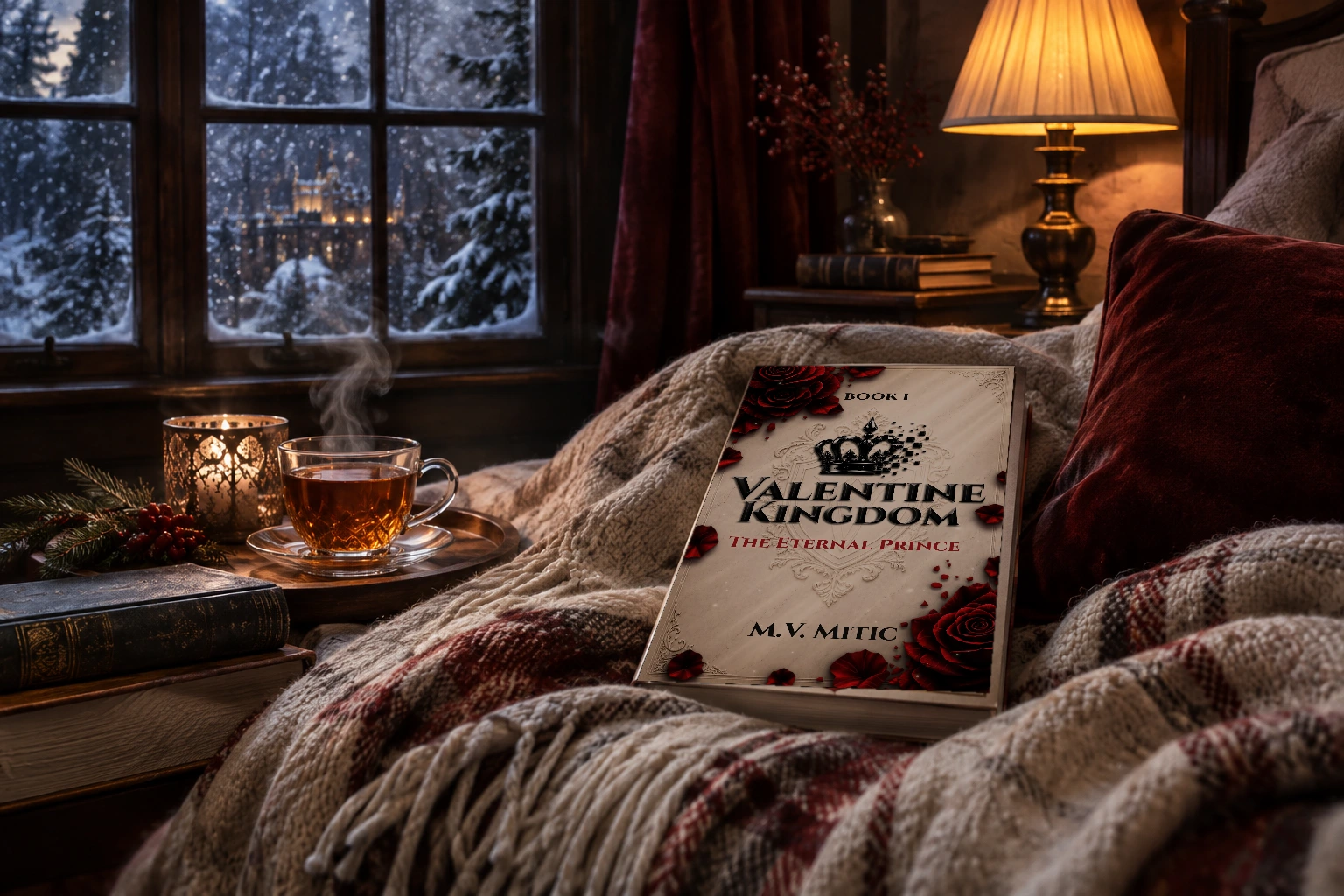
Somewhere along the way, reading seems to have become another activity people are encouraged to measure. How many books have you finished? How quickly can you read? How many pages should you complete every day? Reading challenges, annual goals and personal statistics have become familiar parts of conversations about books. I understand why people enjoy setting targets, particularly when they want to develop a habit or explore more literature. However, I think the real attraction of reading has very little to do with statistics. A completed book is not necessarily a memorable one, and finishing several novels in a month does not automatically mean somebody enjoyed them more than a person who spent the same period reading a single story.
For me, reading is about entering another world, discovering characters and experiencing something that stays with you after the final page. A novel can introduce a fictional kingdom, an unfamiliar historical period or an ordinary person facing extraordinary circumstances. The reader gradually becomes involved in the events, begins to understand the characters and develops expectations about what might happen next. That experience cannot be measured entirely through reading speed or the number of completed titles. I would rather remember a story years later than remember how quickly I finished it.
Modern life places considerable emphasis on progress and achievement. People track exercise, working hours, personal finances and countless other activities through applications and digital services. Reading has gradually become part of the same culture, with yearly challenges, progress indicators and lists of completed books encouraging readers to monitor how much they accomplish. These features can be useful, especially for somebody who enjoys seeing their progress or wants a little motivation to return to reading.
However, I think the emphasis on measurement can sometimes change the purpose of the activity. A person who originally wanted to enjoy more novels may begin concentrating on reaching a particular number before the year ends. Longer books might become less attractive because they require more time, while shorter titles may seem preferable simply because they are easier to finish. The focus gradually moves away from discovering interesting stories and toward completing another entry on a list.
I do not believe tracking books is inherently wrong. Some readers genuinely enjoy maintaining personal records, and those records may help them remember what they have read. My concern is with treating the numbers as though they determine the quality of the experience. Reading thirty books does not automatically provide more enjoyment than reading ten, particularly when the reader is rushing through stories that deserve more attention.
When I think about an enjoyable reading experience, I imagine a quiet evening, comfortable surroundings and enough time to become absorbed in the story without constantly checking the clock. A warm room during winter, snow falling beyond the window and a book waiting nearby can create an atmosphere that makes reading feel special. Those details may appear ordinary, but I think they contribute to the experience in ways that are difficult to capture through reading statistics.
Imagine reading a fantasy novel about an isolated kingdom while the streets outside are covered in snow. The fictional setting may begin to feel more vivid because the surrounding environment reflects something within the story. A mystery involving an old house might feel particularly atmospheric during a rainy evening, while a historical novel can become more immersive when the reader has enough quiet to imagine its setting. The words remain the same, but the circumstances can influence how they are experienced.
I find the relationship between books and personal memories especially interesting. Someone may remember not only what happened in a novel but also the place where they first read it. A particular chapter might become associated with a winter evening, a holiday or a familiar room. Those connections can remain meaningful long after the book has been completed, and they have little to do with how quickly the reader reached the ending.
Some novels immediately create excitement through dramatic events, while others gradually introduce their fictional worlds through atmosphere, dialogue and character development. I think both approaches can be enjoyable, but I particularly appreciate stories that give readers reasons to become interested in the world beyond the central plot.
A fictional kingdom, for example, can feel more convincing when its history, locations and characters develop naturally throughout the narrative. The reader begins to recognize familiar places and understand how different people relate to one another. Small details that initially appear unimportant may eventually become meaningful, creating a sense that the fictional world exists beyond the events described in individual chapters.
For me, this kind of storytelling is difficult to appreciate when reading becomes exclusively about reaching the final page. Some scenes are valuable because of the atmosphere they establish rather than the speed with which they advance the plot. A quiet conversation, a description of an unfamiliar landscape or a moment of uncertainty can contribute to the story without involving dramatic action. I like the idea of readers spending time with those details instead of feeling that every page must be completed as quickly as possible.
People read at different speeds for many reasons. Some naturally move through text quickly, while others prefer taking more time to imagine settings, consider dialogue or return to particularly interesting passages. The complexity of the writing can also influence the pace. A straightforward contemporary novel may feel different from a lengthy fantasy story containing numerous characters and unfamiliar locations.
I think it is unreasonable to treat one reading speed as universally better. A fast reader may understand and enjoy a novel perfectly well, while a slower reader may appreciate spending more time with each chapter. The important consideration is whether the person is following the story comfortably and enjoying the experience.
Personally, I would not want reading to become another competition against the clock. There is no particular advantage in finishing a fictional world quickly if doing so makes the experience less satisfying. Sometimes an interesting chapter encourages me to continue immediately, while another moment may feel like a natural place to stop and return later. I prefer allowing the story and my available time to determine the pace rather than following an arbitrary schedule.
One of the reasons stories remain with readers is the connection they develop with fictional characters. A well-written character can become memorable through personality, decisions, relationships and the consequences of their actions. Readers may admire certain qualities, disagree with particular choices or become curious about how someone will respond to difficult circumstances.
I think these connections are a major part of what makes literature enjoyable. A character does not need to be perfect or even particularly likable to become interesting. Sometimes the most memorable fictional people are those whose motivations are complicated, whose decisions create conflict or whose personalities change as the story develops. Those details encourage readers to think about the narrative beyond the immediate sequence of events.
A reading challenge might record that another novel has been completed, but it cannot explain why a particular character remained memorable. For me, that distinction matters. A story that introduces somebody I remember years later has provided something meaningful, regardless of whether I finished the book in two days or several weeks.
There are situations where reading serves a specific practical purpose. Students may need to complete assigned texts, professionals may study documents related to their work and researchers may examine large amounts of information. In those circumstances, deadlines and measurable progress can be necessary. However, recreational reading serves a different purpose, and I do not think it needs to follow the same expectations.
When somebody opens a novel for enjoyment, the objective is not necessarily to accomplish a task. The reader may want entertainment, imagination, curiosity or a temporary change from everyday responsibilities. A book can provide those experiences without producing anything measurable beyond the time spent reading.
I think preserving that distinction is important. Leisure activities should not always be evaluated according to productivity. Someone who spends an evening enjoying a novel has not wasted time because the book remains unfinished. The experience itself can be worthwhile. I would rather see reading remain something people genuinely want to do than another activity that creates pressure whenever they fall behind a target.
Fantasy series often contain extensive fictional worlds, continuing relationships and narratives that develop across several volumes. Some readers enjoy finishing these stories quickly because they want to discover what happens next. Others prefer spending longer with each book, allowing the world to become familiar before continuing. I think both approaches are reasonable, provided the reader enjoys the experience.
A longer series can offer something that an individual novel cannot always provide in the same way: the opportunity to return repeatedly to recognizable characters and locations. The reader becomes familiar with the fictional setting, remembers earlier events and develops expectations about future developments. That familiarity can make returning to the series feel almost like revisiting a place that has become personally meaningful.
For Valentine Kingdom, this is part of what interests me about developing a continuing fictional world. The Eternal Prince introduces Alexander Valentine and the circumstances surrounding his story, but the wider setting provides opportunities for additional events and characters. I like the possibility that readers may gradually become familiar with that world instead of treating every book as something that must be completed immediately. The story should encourage curiosity, not create pressure to reach the ending as quickly as possible.
The format of a book can also influence the reading experience. Printed editions provide the familiar feeling of paper, the weight of a volume and the physical act of turning pages. A book can remain on a shelf after being read, becoming part of a personal collection associated with particular stories and memories.
Digital books offer different advantages. Readers can carry multiple titles on a phone or tablet, adjust text sizes and access their libraries without requiring physical storage. Some reading platforms provide customizable backgrounds and page layouts, allowing the experience to suit individual preferences. Audiobooks introduce another possibility through narration, making it possible to enjoy stories in situations where reading text may be inconvenient.
I do not think any format automatically produces a more meaningful experience. Someone might prefer a hardcover during a quiet winter evening and an ebook while travelling. Another person may enjoy listening to a novel before sleeping. The story remains central, while the format changes how the reader interacts with it. For me, having several options is an advantage because it allows people to choose the experience that feels most enjoyable.
One of the reasons ambitious reading challenges can become difficult is that people have responsibilities beyond their hobbies. Work, family, personal projects and unexpected obligations all compete for available time. A person who intends to read for two hours every evening may discover that such a schedule is unrealistic during an ordinary week.
I think a more flexible approach is easier to maintain. Reading a single chapter may be enough on a busy evening, while a quieter weekend can provide opportunities to spend several hours with a novel. There is no need for every day to produce identical progress, and missing a reading session should not feel like a failure.
Personally, I prefer the idea of returning to a book because I am interested in what happens next. That curiosity is a more enjoyable motivation than worrying about falling behind a numerical target. A story should provide something worth returning to, even when several days have passed between chapters. The book remains available, and the reader can continue whenever the circumstances feel appropriate.
As an independent author, I find myself thinking about reading from both sides. Writing a story involves decisions about characters, pacing, atmosphere and the way events unfold. A particular scene may be designed to introduce uncertainty, develop a relationship or establish something important about the fictional world. However, once the book reaches its audience, the experience belongs to the reader.
Someone might finish several chapters in one evening, while another person may return to the same novel over several weeks. Some readers may be particularly interested in the characters, while others appreciate the setting or central mystery. I think those differences are part of what makes storytelling interesting. An author creates the work, but cannot control exactly how each individual experiences it.
For me, the objective is not to make readers finish a book as quickly as possible. I would rather create a story that somebody remembers fondly, thinks about afterward or wants to revisit. A memorable novel does not necessarily need to be read in one sitting. Sometimes allowing the narrative to remain part of someone’s life for several weeks can be just as satisfying as experiencing it over a single weekend.
I think modern entertainment sometimes encourages people to move constantly toward the next thing. Finish a series, begin another, complete a challenge and immediately search for something new. There is nothing wrong with enjoying a large amount of content, but I find it interesting how easily the experience itself can become secondary to the act of completion.
Books offer an opportunity to approach entertainment differently. A reader can spend time imagining a fictional landscape, considering a character’s decisions or simply enjoying the atmosphere of a particular chapter. There is no need to reach the ending immediately, and there is certainly no obligation to begin another novel as soon as the previous one is finished.
Personally, I would rather encourage readers to appreciate the story they are currently experiencing. If they enjoy it enough to continue immediately, that is wonderful. If they prefer reading slowly, that is equally reasonable. The value of literature should not depend on maintaining a particular pace or satisfying somebody else’s expectations.
Ultimately, I think the attraction of reading has little to do with how many books appear on a completed list. A novel can become meaningful because of its characters, atmosphere, fictional world or the memories associated with reading it. Those qualities do not necessarily become stronger when the story is finished quickly.
For me, the ideal reading experience involves enough comfort and freedom to become absorbed in the narrative without constantly thinking about time. A quiet winter evening, a comfortable chair and an interesting book can provide something memorable without requiring an ambitious reading schedule. There is no need to count every page or compare progress with other readers.
As an author, I want stories to offer genuine enjoyment. I like the possibility that somebody might remember a particular character, return to a favorite scene or associate a fictional kingdom with an enjoyable period of their life. Those experiences matter more to me than how quickly the reader finishes the book.
Reading goals can be useful when they encourage people to discover literature, but I do not think they should define what makes somebody a good reader. Enjoyment, curiosity and personal connection are far more important than statistics.
A person who reads slowly is still a reader. Someone who enjoys only a few books each year can still develop a meaningful relationship with literature. And a novel that takes several weeks to finish may become just as memorable as one completed in a single evening.
I would rather create and enjoy stories that remain interesting long after the final chapter than treat books as another collection of tasks waiting to be completed.
The number of pages may tell us how much of a book remains, but it cannot tell us how much the experience means to the person reading it.
For me, that is what makes literature valuable. A good story should be something we look forward to, not something we feel pressured to finish.
November 11, 2026People often talk about reading goals as though finishing more books automatically means becoming a better reader. Read fifty books this year,…
 November 11, 2026
Digital reading has made books more accessible than ever. We can carry entire libraries on our phones, purchase ebooks almost instantly and…
 November 11, 2026
Have you ever noticed how much easier it is to enjoy a book when your surroundings feel comfortable? I think the environment…
 November 11, 2026
The beginning of a new year often creates pressure to make ambitious resolutions. Write an entire novel, publish several books, build a…
 November 11, 2026
Christmas attracts enormous attention from retailers, publishers and businesses offering seasonal promotions. Throughout December, customers encounter discounted products, gift recommendations and advertisements…
 November 11, 2026
Holiday travel often involves packing more things than expected. Clothes, gifts, personal belongings and everything else compete for limited space. Whether somebody…
 November 11, 2026
December seems like an attractive month to release a book. People are shopping for Christmas gifts, spending more time indoors and looking…
 November 11, 2026
Every winter, online stores begin advertising seasonal discounts, limited-time offers and holiday promotions. Books are no exception. A lower price can make…
 November 11, 2026
Holiday shopping has become increasingly dominated by electronics, subscriptions and products that often disappear from attention shortly after they are purchased. Every…
 November 11, 2026
There is something about winter that makes reading feel different from the rest of the year. The days become shorter, evenings arrive…
November 11, 2026People often talk about reading goals as though finishing more books automatically means becoming a better reader. Read fifty books this year,…
November 11, 2026Digital reading has made books more accessible than ever. We can carry entire libraries on our phones, purchase ebooks almost instantly and…
November 11, 2026Have you ever noticed how much easier it is to enjoy a book when your surroundings feel comfortable? I think the environment…
November 11, 2026The beginning of a new year often creates pressure to make ambitious resolutions. Write an entire novel, publish several books, build a…
November 11, 2026Christmas attracts enormous attention from retailers, publishers and businesses offering seasonal promotions. Throughout December, customers encounter discounted products, gift recommendations and advertisements…
November 11, 2026Holiday travel often involves packing more things than expected. Clothes, gifts, personal belongings and everything else compete for limited space. Whether somebody…
November 11, 2026December seems like an attractive month to release a book. People are shopping for Christmas gifts, spending more time indoors and looking…
November 11, 2026Every winter, online stores begin advertising seasonal discounts, limited-time offers and holiday promotions. Books are no exception. A lower price can make…
November 11, 2026Holiday shopping has become increasingly dominated by electronics, subscriptions and products that often disappear from attention shortly after they are purchased. Every…
November 11, 2026There is something about winter that makes reading feel different from the rest of the year. The days become shorter, evenings arrive…

Add the M.V. Mitic app to your device and start reading.