 October 25, 2026
A Halloween Reading Night for Two
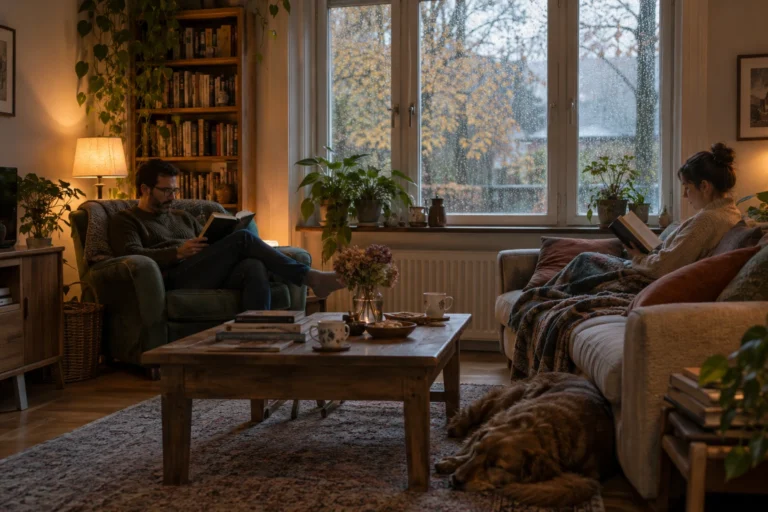
A reading night for two sounds like a good Halloween plan to me because it leaves room for both company and quiet.…
Google Ads can look complicated at first.
Search campaigns, display ads, YouTube, audiences, keywords, conversions, remarketing, different bidding systems and dozens of settings can make it feel like something built only for large companies.
I do not think authors need to use everything.
What matters more is understanding what each part of Google is good at and using it for the right purpose.
Search advertising is probably the clearest place to begin.
Someone who searches for a fantasy book, a new series, an author, an audiobook or something related to a particular genre already has intent.
That is valuable.
Instead of trying to convince a completely random person to care about books, Search allows an author to appear when someone is already looking.
I think this is where keyword quality matters much more than simply collecting thousands of keywords.
A smaller group of relevant searches is often better than paying for broad traffic that has little connection to the book.
Negative keywords are important for the same reason. They help remove searches that are technically related to a word but completely wrong for the actual product.
Display advertising serves a different purpose.
People may see an image of the book or brand while browsing other websites rather than actively searching for it.
That makes Display useful for recognition.
I would not expect every person who sees a display ad to buy immediately.
Sometimes the value is simply that they see the same book cover or name several times over a period of weeks.
For an author trying to build a recognizable series, that repetition can matter.
The visual should stay simple.
A clear cover, recognizable name and one obvious message are usually enough.
YouTube is interesting because it can combine advertising with storytelling.
A short trailer, atmospheric introduction or simple visual showing the book and its world can communicate much more than a small banner.
I think authors should avoid making these ads feel like traditional commercials.
A strong atmosphere, a question, a short line from the concept or a glimpse of the world can be more memorable.
The goal does not always need to be an immediate sale.
Sometimes the goal is simply to make someone curious enough to search for the name later.
Google can bring people to a website.
It cannot fix a bad website.
This is why I think authors should spend as much time on the page after the click as they do on the advertisement itself.
The page should load quickly, work properly on phones and make the next step obvious.
A visitor should immediately understand what the book is and where they can continue.
That might be:
Too many choices can be just as bad as having none.
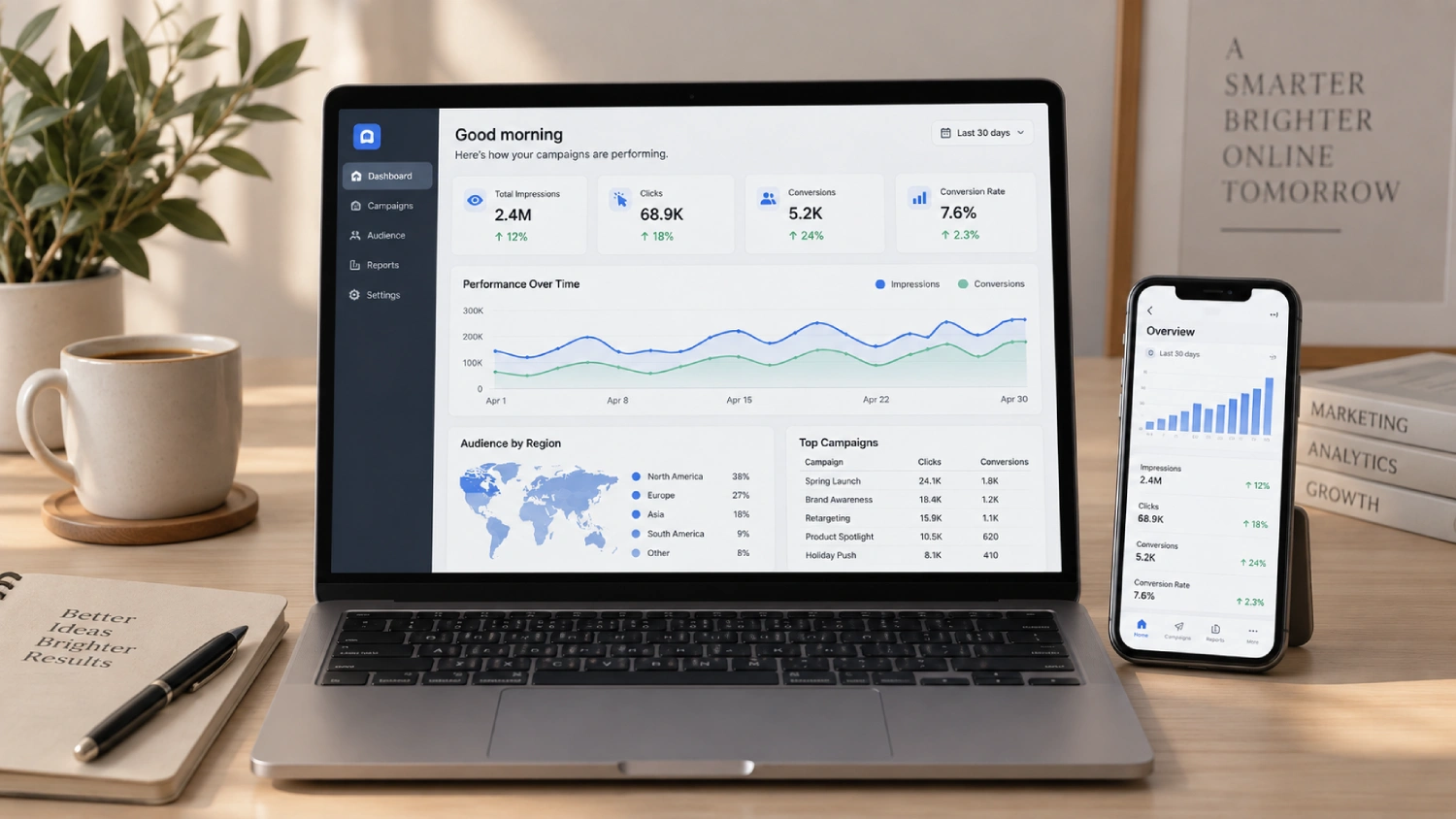
Clicks are useful, but they are not the final goal.
I think every serious advertising setup should measure what happens afterwards.
A campaign might have cheap clicks and still be terrible if nobody does anything after arriving.
Another campaign might have more expensive clicks but produce more signups or purchases.
Without conversion tracking, those two campaigns can look completely different from reality.
For an author, useful conversions might include purchases, registrations, newsletter subscriptions, sample reads or other meaningful actions.
The important thing is knowing which traffic actually creates value.
Not everyone buys on the first visit.
That is normal.
Someone may discover a book, leave, think about it and return days later.
Remarketing allows an author to reach some of those previous visitors again.
I like this because it is usually more logical than continuously advertising to completely new people.
They already know the name.
They have already visited the website.
The second impression is not really an introduction anymore.
It is a reminder.
I think Google Ads works best when treated as a system that improves over time.
Start with manageable budgets.
Test different keywords, images, landing pages and audiences.
Remove what wastes money.
Keep what consistently performs.
Then increase the budget slowly.
Throwing a large amount of money into a campaign does not automatically make it better.
Scaling something that already works is very different from spending more while hoping it begins to work.
What interests me most about Google is that authors do not have to rely on a single type of advertisement.
Search can capture intent.
Display can build recognition.
YouTube can introduce the world visually.
Remarketing can bring previous visitors back.
Analytics and conversion tracking can show what is actually happening.
Used together, these tools can create a much stronger system than simply running one advertisement and hoping for sales.
I think that is the best way for authors to approach Google Ads.
Not as a shortcut to success, but as infrastructure for reaching more readers, learning what they respond to and gradually building something that can scale.
October 25, 2026A reading night for two sounds like a good Halloween plan to me because it leaves room for both company and quiet.…
 October 25, 2026
An ordinary room can become surprisingly unfamiliar after dark. During the day, I can see its edges, its furniture, and whatever is…
 October 25, 2026
When I imagine a gothic reading corner, I think about somewhere I would genuinely want to spend an evening. A comfortable chair,…
 October 25, 2026
There is a version of Halloween I like that involves very little preparation. A comfortable room, something good to read, a warm…
 October 20, 2026
One of the first things new authors encounter when preparing a book for publication is the ISBN. It appears on printed books,…
 October 20, 2026
Choosing the right book title can be surprisingly difficult. A title needs to fit the story, appeal to potential readers and remain…
 October 20, 2026
Finishing a manuscript can take months or years, so receiving an offer from a publisher is understandably exciting. Somebody wants to publish…
 October 20, 2026
A book cover is one of the first things a potential reader notices. Before somebody reads the description or opens the first…
 October 20, 2026
There are plenty of reasons why an author might prefer publishing under a different name. Some want privacy, others want a name…
 October 9, 2026
One thing I have never liked about social media is that having followers does not necessarily mean being able to reach those…
October 25, 2026A reading night for two sounds like a good Halloween plan to me because it leaves room for both company and quiet.…
October 25, 2026An ordinary room can become surprisingly unfamiliar after dark. During the day, I can see its edges, its furniture, and whatever is…
October 25, 2026When I imagine a gothic reading corner, I think about somewhere I would genuinely want to spend an evening. A comfortable chair,…
October 25, 2026There is a version of Halloween I like that involves very little preparation. A comfortable room, something good to read, a warm…
October 20, 2026One of the first things new authors encounter when preparing a book for publication is the ISBN. It appears on printed books,…
October 20, 2026Choosing the right book title can be surprisingly difficult. A title needs to fit the story, appeal to potential readers and remain…
October 20, 2026Finishing a manuscript can take months or years, so receiving an offer from a publisher is understandably exciting. Somebody wants to publish…
October 20, 2026A book cover is one of the first things a potential reader notices. Before somebody reads the description or opens the first…
October 20, 2026There are plenty of reasons why an author might prefer publishing under a different name. Some want privacy, others want a name…
October 9, 2026One thing I have never liked about social media is that having followers does not necessarily mean being able to reach those…

Add the M.V. Mitic app to your device and start reading.